Aerospace and electronic manufacturing companies operate in industries where accuracy, quality, compliance, and product reliability are extremely important. A small error in a component, material, or manufacturing process can lead to production delays, quality issues, regulatory concerns, and increased operational costs.
This is why traceability has become a critical requirement for modern manufacturers. Companies need to know where materials come from, how components move through production, which processes are performed, and where finished products are delivered.
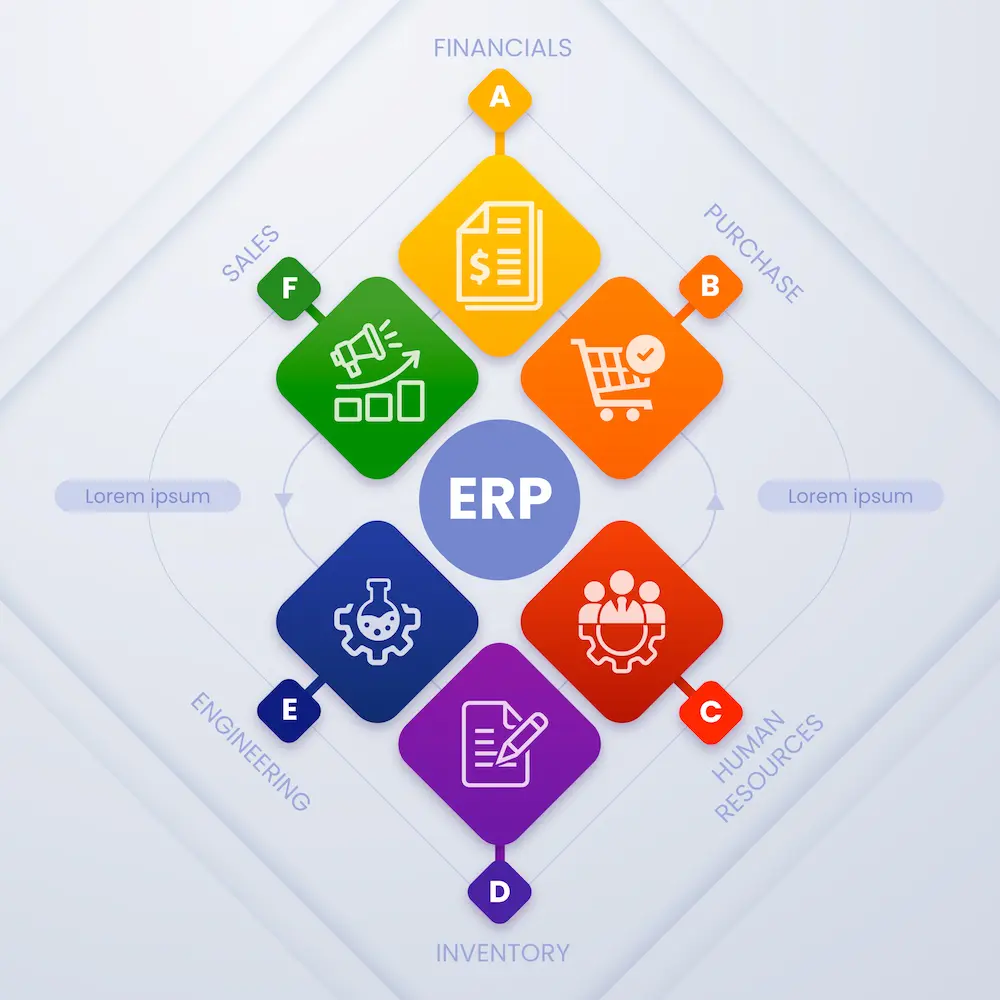
An advanced ERP system for aerospace and electronic manufacturing helps businesses achieve this level of visibility. By connecting inventory, procurement, production, quality management, engineering, suppliers, and documentation on a single platform, ERP enables manufacturers to track information throughout the entire product lifecycle.
Jurysoft provides ERP solutions designed to help aerospace and electronic manufacturing companies improve traceability, streamline operations, and maintain better control over complex manufacturing processes.
What Is Traceability in Manufacturing?
Traceability refers to the ability to track and record the complete history of a material, component, or finished product.
In aerospace and electronics manufacturing, traceability can include information such as:
- Material source and supplier details
- Batch and lot numbers
- Serial numbers
- Component specifications
- Production dates
- Manufacturing processes
- Quality inspection results
- Testing records
- Employee or machine information
- Product movement and shipment details
Without a centralized system, this information may be stored across spreadsheets, paper documents, separate software platforms, and manual records. This makes it difficult to quickly access accurate information when needed.
An integrated manufacturing ERP software system brings this data together and creates a connected digital record.
Why Traceability Is Critical in Aerospace Manufacturing
Aerospace manufacturing involves highly complex components and strict quality requirements. Every part used in an aircraft or aerospace system must meet specific standards.
Tracking Every Component Throughout Production
An ERP system can help manufacturers track components from procurement through production and final delivery.
For example, manufacturers can record:
- Where a component was purchased
- Which supplier provided it
- Which batch it belongs to
- When it entered production
- Which processes were performed
- Quality inspection results
- Where the finished component was used
This improves visibility across the manufacturing lifecycle.
Supporting Quality and Compliance Requirements
Aerospace manufacturers must maintain accurate documentation for quality control and regulatory compliance.
With ERP for aerospace manufacturing, important production and quality information can be stored in a centralized system. This makes it easier for teams to access records and demonstrate that manufacturing processes follow required standards.
Faster Identification of Quality Issues
If a quality issue is identified, manufacturers need to quickly determine which components or batches may be affected.
ERP traceability allows businesses to search production records and identify related materials, suppliers, work orders, and finished products. This helps reduce the time required to investigate quality problems.
How ERP Improves Traceability in Electronic Manufacturing
Electronic products are often made using hundreds or thousands of individual components. Managing the movement of these components manually can become challenging.
An ERP system for electronics manufacturing helps companies maintain better control over materials and production activities.
Component and Serial Number Tracking
Electronic manufacturers can use ERP to track components through serial numbers, lot numbers, and batch information.
This helps businesses understand which specific components were used in a finished product.
Serial number tracking can be particularly useful for:
- Circuit boards
- Electronic assemblies
- Sensors
- Controllers
- Power components
- Communication devices
Detailed tracking improves product visibility and supports efficient quality management.
Better Control Over Inventory Movement
Electronic components may move through multiple locations before reaching the final assembly stage.
ERP software can track inventory movement between:
- Warehouses
- Production floors
- Assembly lines
- Quality inspection areas
- Storage locations
This provides manufacturers with better inventory visibility and reduces the risk of misplaced or incorrectly recorded materials.
Centralized Data Improves Manufacturing Visibility
One of the biggest advantages of ERP is centralized data management.
Without ERP, different departments may use separate systems for purchasing, production, inventory, and quality management. This can create information gaps and inconsistencies.
An integrated ERP solution for manufacturing companies connects important business functions.
Procurement and Supplier Management
ERP helps record supplier information, purchase orders, material receipts, and batch details.
This makes it easier to trace materials back to their original supplier when necessary.
Production Management
Production teams can record work orders, manufacturing stages, machine activities, and material consumption.
This information creates a clearer record of how a product was manufactured.
Quality Management
Quality inspection results can be connected with specific batches, components, or production orders.
This allows manufacturers to quickly access quality information when investigating production issues.
Inventory Management
ERP provides better visibility into available materials, stock movement, and component usage.
This supports both inventory accuracy and manufacturing traceability.
Batch and Lot Tracking with ERP
Batch and lot tracking is an important feature for aerospace and electronics manufacturers.
A batch refers to a group of materials or products processed together. ERP systems can assign and maintain batch or lot information throughout the manufacturing process.
For example, if a specific batch of raw material is later found to have a quality issue, manufacturers can use ERP records to identify where that batch was used.
This improves the ability to:
- Identify affected products
- Investigate production issues
- Reduce unnecessary product recalls
- Improve quality control
- Maintain accurate documentation
Batch traceability also helps manufacturers make faster and more informed decisions.
Serial Number Traceability for Complex Products
Serial number tracking provides an additional level of traceability.
Each finished product or component can receive a unique serial number. ERP can then connect that serial number with relevant manufacturing information.
This may include:
- Components used
- Production date
- Work order details
- Quality inspections
- Testing information
- Service history
- Shipment records
For aerospace and electronics companies, this creates a detailed digital history for individual products.
Improving Recall and Issue Management
When manufacturers discover a defect or quality concern, time is critical.
Manual record systems can make it difficult to identify affected products. Teams may need to review multiple documents, spreadsheets, and production records.
ERP improves this process by providing connected data.
Manufacturers can use traceability information to identify:
- Affected batches
- Related components
- Production orders
- Suppliers
- Finished products
- Customers or delivery records
This allows businesses to respond to quality issues more efficiently and reduce operational disruption.
ERP Supports Better Supply Chain Traceability
Traceability does not begin on the production floor. It starts with suppliers and raw materials.
An effective ERP software for aerospace and electronics manufacturing can improve supply chain visibility by connecting supplier records with inventory and production data.
Manufacturers can monitor:
- Supplier information
- Purchase orders
- Material receipts
- Batch numbers
- Delivery dates
- Material usage
This creates better visibility from procurement to final production.
Improved supply chain traceability can also help companies strengthen supplier management and identify recurring material quality issues.
Reducing Manual Errors Through Automation
Manual data entry can create errors in manufacturing records. Incorrect batch numbers, missing inspection records, or inaccurate inventory information can affect traceability.
ERP automation helps reduce these risks by creating standardized processes.
For example, information entered during material receipt can remain connected to the inventory and production process. Employees do not need to repeatedly enter the same information into multiple systems.
Automation can help improve:
- Data accuracy
- Record consistency
- Inventory tracking
- Production documentation
- Quality reporting
This creates a more reliable traceability system.
Better Decision-Making with Real-Time Information
Manufacturing managers need accurate information to make quick decisions.
ERP provides greater visibility into manufacturing operations by connecting data from multiple departments.
Managers can access information related to:
- Production progress
- Material availability
- Inventory levels
- Quality issues
- Supplier performance
- Work orders
Real-time visibility helps businesses identify potential problems earlier and make better operational decisions.
For aerospace and electronics manufacturers, this level of information can support improved planning and production control.
The Future of Traceability in Aerospace and Electronics Manufacturing
As manufacturing processes become more complex, traceability requirements will continue to increase. Aerospace and electronic manufacturing companies are adopting digital technologies to gain greater visibility and control over their operations.
Modern ERP technology provides a strong foundation for digital manufacturing by connecting critical business and production processes.
Future-ready manufacturers will increasingly depend on technologies such as:
- Cloud ERP systems
- Real-time production monitoring
- Automated data collection
- Advanced analytics
- AI-powered manufacturing insights
- Integrated quality management
- Digital supply chain tracking
These technologies can help companies improve visibility while managing increasingly complex products and supply chains.
Why Choose Jurysoft ERP for Better Manufacturing Traceability?
Jurysoft provides ERP solutions designed to support the complex operational requirements of aerospace and electronic manufacturing companies.
An integrated ERP platform can help businesses connect procurement, inventory, production, quality management, and other critical manufacturing processes. This creates better visibility across the product lifecycle and helps companies maintain accurate and accessible manufacturing records.
With improved traceability, businesses can reduce manual errors, respond faster to quality concerns, improve operational efficiency, and gain better control over manufacturing activities.
Conclusion
Traceability is essential for aerospace and electronic manufacturing companies that need to manage complex components, strict quality requirements, and detailed production processes.
An advanced ERP system for manufacturing provides a centralized platform for tracking materials, batches, serial numbers, production activities, quality records, and finished products. By connecting information across departments, ERP helps manufacturers achieve better visibility and control.
For companies looking to strengthen manufacturing traceability and streamline operations, Jurysoft ERP can provide the digital foundation needed to manage complex aerospace and electronic manufacturing processes more effectively.
Contact Jurysoft today to learn how ERP solutions can help improve traceability, quality control, and operational efficiency in aerospace and electronic manufacturing.