Quality management is one of the most critical priorities in aerospace manufacturing. Aerospace components must meet strict specifications, regulatory requirements, customer expectations, and safety standards. Even a small manufacturing error can affect product performance, delivery schedules, compliance, and overall operational efficiency.
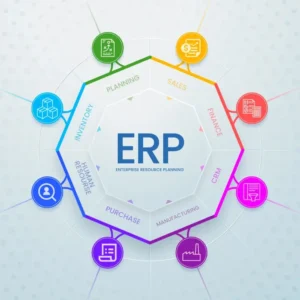
This is where ERP software for aerospace manufacturing plays an important role. An integrated ERP system connects production, quality control, inventory, procurement, engineering, maintenance, and documentation within a centralized platform. By providing real-time visibility across manufacturing operations, ERP software helps aerospace companies establish stronger quality processes and maintain consistent production standards.
For aerospace and electronic manufacturing companies, Jurysoft ERP solutions can help streamline business processes while supporting better quality management and operational control.
Why Quality Management Matters in Aerospace Manufacturing
Aerospace manufacturing involves complex products, multiple production stages, specialized materials, and strict quality requirements. Manufacturers need to maintain detailed records for raw materials, suppliers, production activities, inspections, testing, and finished products.
Traditional spreadsheets and disconnected systems can make it difficult to maintain accurate information across departments. Important quality data may become scattered, making it harder to identify problems or trace the history of a component.
An ERP system for aerospace manufacturing creates a connected environment where production and quality information can be managed more efficiently.
Maintaining Consistent Quality Standards
ERP software helps manufacturers establish standardized workflows for production and inspection activities. Employees can follow predefined processes, reducing variations and improving consistency.
Reducing Human Errors
Manual data entry can result in duplicate records, incorrect information, or missed quality checks. ERP automation reduces repetitive manual tasks and helps improve data accuracy throughout the manufacturing process.
How ERP Software Supports Quality Management
1. Centralized Quality Data
Aerospace manufacturers generate large amounts of quality-related information. This can include inspection reports, test results, non-conformance records, supplier information, production details, and corrective actions.
An aerospace ERP system brings this information together in one centralized platform. Authorized employees can access relevant information without searching through multiple spreadsheets or disconnected systems.
Centralized data also makes it easier for management teams to monitor quality performance and make informed decisions.
2. Improved Traceability
Traceability is essential in aerospace manufacturing. Companies often need to identify where materials came from, which production processes were performed, and where a particular component was used.
ERP software can connect material batches, purchase orders, production orders, inspections, and finished products. This creates a detailed digital history of manufacturing activities.
If a quality issue occurs, teams can use this information to trace affected materials or products more quickly.
3. Better Inspection and Testing Management
Quality inspections can occur at different stages of manufacturing, including incoming material inspection, in-process inspection, and final product inspection.
ERP software can support predefined inspection procedures and quality checkpoints. This helps ensure that required inspections are not overlooked.
Manufacturers can record inspection results digitally and maintain them alongside production information, creating a more organized quality management process.
4. Non-Conformance Management
Manufacturing defects and quality deviations need to be identified, documented, investigated, and resolved systematically.
With ERP software, companies can record non-conformance details and track the associated production order, material, supplier, or process.
This enables quality teams to analyze recurring issues and determine appropriate corrective and preventive actions.
5. Supplier Quality Management
The quality of raw materials and components directly affects the quality of aerospace products. Therefore, supplier performance is an important part of quality management.
An ERP solution for aerospace companies can maintain supplier records, purchasing information, inspection results, and supplier-related quality issues in one system.
This information can help organizations evaluate supplier performance and identify suppliers that consistently meet or fail to meet required quality standards.
6. Real-Time Production Visibility
Quality problems can sometimes originate from production delays, machine issues, material shortages, or process variations.
ERP software connects production and quality information, giving managers better visibility into ongoing operations. Real-time information can help teams identify potential problems earlier rather than discovering them only after production is completed.
This supports proactive quality management and can reduce rework and production waste.
ERP and Compliance in Aerospace Manufacturing
Aerospace manufacturers operate in a highly regulated environment. They must maintain accurate documentation and demonstrate that manufacturing processes meet applicable standards and customer requirements.
An ERP system for aerospace manufacturing can support compliance by maintaining organized records related to materials, production, inspections, suppliers, and quality activities.
Digital Documentation
Instead of relying heavily on paper-based documentation, companies can maintain important records digitally. This makes information easier to retrieve when required for internal reviews, customer requirements, or audits.
Audit Readiness
A centralized ERP system can provide a clearer history of transactions and manufacturing activities. Authorized users can retrieve relevant records more efficiently, helping organizations prepare for quality audits and compliance reviews.
ERP software does not automatically make a company compliant with every aerospace standard, but it can provide the processes, controls, records, and visibility needed to support a strong compliance program.
Connecting Quality With Production and Inventory
One major advantage of ERP technology is integration.
Quality management does not operate independently from production or inventory. If a raw material fails inspection, inventory records may need to be updated. If a component fails during production, the production order may need to be reviewed. If a supplier repeatedly delivers defective materials, procurement decisions may need to change.
An integrated manufacturing ERP software platform connects these activities.
Inventory Control
ERP software can help organizations track materials, batches, quantities, and movements. Quality information can be associated with relevant inventory records, helping prevent unsuitable materials from being accidentally used.
Production Planning
Production planning and quality management can work together through integrated ERP workflows. Manufacturing teams can monitor production status while quality teams track inspection and testing requirements.
Procurement Integration
Connecting purchasing with supplier and quality information helps companies make better procurement decisions based on supplier performance and material quality.
Data Analytics for Continuous Quality Improvement
Quality management should not only focus on identifying defects. Manufacturers should also analyze quality data to understand why problems occur and how they can be prevented.
Modern ERP systems can provide reports and dashboards covering areas such as:
- Defect rates
- Inspection results
- Rework levels
- Non-conformance trends
- Supplier quality performance
- Production efficiency
- Material usage
- Quality-related costs
By analyzing these metrics, aerospace manufacturers can identify recurring problems and focus on continuous improvement.
Benefits of ERP-Based Quality Management
Implementing ERP software can provide several advantages for aerospace manufacturers:
- Better production and quality visibility
- Improved material and component traceability
- Reduced manual data entry
- Faster identification of quality issues
- Centralized quality documentation
- Improved supplier monitoring
- Better inventory control
- Reduced rework and production waste
- Easier access to manufacturing records
- More informed management decisions
These benefits become particularly valuable when manufacturing operations involve multiple departments, suppliers, production stages, and quality checkpoints.
Choosing the Right ERP for Aerospace Manufacturing
Every aerospace manufacturing company has different processes and requirements. Therefore, selecting an ERP system should involve evaluating how well it can support existing workflows and future growth.
Companies should consider features such as production management, inventory management, quality control, procurement, traceability, reporting, document management, and integration capabilities.
The ERP platform should also be scalable enough to support increasing production volumes and evolving business requirements.
For aerospace and electronic manufacturing companies, choosing an ERP solution that understands the complexity of manufacturing operations can help create a more connected and efficient business environment.
The Future of Quality Management With ERP
As aerospace manufacturing becomes increasingly digital, ERP systems are evolving beyond basic business management. Integration with automation, analytics, IoT technologies, and other digital manufacturing tools can provide organizations with deeper operational visibility.
Future-focused ERP solutions can help manufacturers move from reactive quality control toward more proactive quality management. By analyzing production and quality information, companies can identify potential issues earlier and improve processes continuously.
For aerospace manufacturers, this shift can support higher consistency, stronger traceability, improved efficiency, and better control over complex production environments.
Conclusion
Quality management is fundamental to successful aerospace manufacturing. Manufacturers need reliable processes to control materials, monitor production, manage inspections, maintain traceability, address non-conformances, and preserve accurate records.
ERP software for aerospace manufacturing brings these activities together through an integrated platform. By connecting quality management with production, inventory, procurement, and reporting, ERP technology provides manufacturers with better visibility and control over their operations.
For companies looking to modernize their manufacturing processes, an ERP solution can be an important step toward improving quality, reducing operational inefficiencies, and supporting long-term growth. Jurysoft provides ERP solutions designed to help aerospace and electronic manufacturing companies build more connected, organized, and efficient business operations.