Electronics manufacturing is becoming increasingly complex as companies manage fast-changing customer demands, multiple production processes, strict quality requirements, inventory challenges, and competitive delivery timelines. From component procurement and production planning to quality control and order management, every operation needs to work together efficiently.
This is where ERP software for electronics manufacturing can make a significant difference. An effective ERP system connects different departments, centralizes business information, improves production visibility, and helps manufacturers make faster, data-driven decisions.
However, choosing the right ERP solution requires careful consideration. Electronics manufacturers need an ERP platform that understands their production environment and can support everything from inventory and procurement to manufacturing, quality management, and business reporting.
Why Electronics Manufacturers Need ERP Software
Electronics manufacturing involves several interconnected activities. A delay in procurement can affect production schedules, while inaccurate inventory information can create material shortages or excess stock. Managing these activities through disconnected systems can result in errors, delays, and limited visibility.
An ERP system for electronics manufacturing brings these functions together through a centralized platform.
With the right ERP solution, manufacturers can:
- Improve production planning
- Monitor inventory levels in real time
- Manage procurement efficiently
- Track production orders
- Improve quality control
- Reduce operational errors
- Improve supply chain visibility
- Monitor business performance
- Support better decision-making
The goal is not simply to automate individual processes but to create an integrated manufacturing environment.
Key Factors to Consider When Choosing ERP Software
Selecting an ERP system is a long-term business decision. Electronics manufacturers should evaluate several important factors before investing in a solution.
1. Industry-Specific Manufacturing Capabilities
One of the most important considerations is whether the ERP platform is designed to support manufacturing operations.
Electronics manufacturers may deal with complex bills of materials, multiple components, production stages, work orders, assembly processes, and material requirements. A general-purpose ERP system may not provide the level of manufacturing functionality required.
Look for an electronics manufacturing ERP solution that supports production planning, bill of materials management, work orders, material requirements planning, and shop-floor operations.
2. Production Planning and Scheduling
Efficient production planning is essential for meeting customer deadlines while controlling manufacturing costs.
A capable ERP system should help production teams plan materials, allocate resources, schedule work orders, and monitor production progress. Real-time information allows managers to identify potential delays and make adjustments before they affect delivery schedules.
Improve Manufacturing Visibility
ERP dashboards can provide visibility into production status, pending orders, material availability, and resource utilization. This helps managers understand what is happening across the manufacturing operation without relying on multiple spreadsheets or disconnected systems.
3. Inventory and Material Management
Inventory management is another critical factor for electronics manufacturers. Companies often handle a large number of components and materials, making accurate inventory information essential.
The right ERP software for manufacturing companies should help track:
- Raw materials
- Electronic components
- Work-in-progress inventory
- Finished goods
- Stock movements
- Purchase orders
- Material availability
Better inventory visibility can help businesses reduce stockouts, avoid unnecessary inventory accumulation, and improve material planning.
4. Procurement and Supplier Management
Electronics manufacturing depends heavily on reliable suppliers. Delays in receiving components can directly impact production schedules.
An ERP platform should connect procurement with inventory and production planning. This enables purchasing teams to understand material requirements and manage purchase orders more effectively.
Supplier-related information can also help businesses evaluate purchasing performance, delivery timelines, and supplier reliability.
5. Quality Management and Traceability
Quality is particularly important in electronics manufacturing, where product performance and reliability can directly affect customers and end users.
An effective ERP for electronics manufacturing should support quality-related processes and provide traceability throughout production.
Manufacturers should consider ERP capabilities for quality inspections, production records, material tracking, non-conformance management, and quality reporting.
Traceability also helps businesses identify where materials came from, how they were used, and which production orders they were associated with.
6. Integration Across Business Functions
One of the major advantages of ERP is integration.
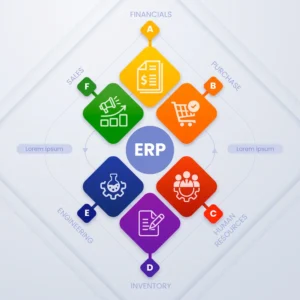
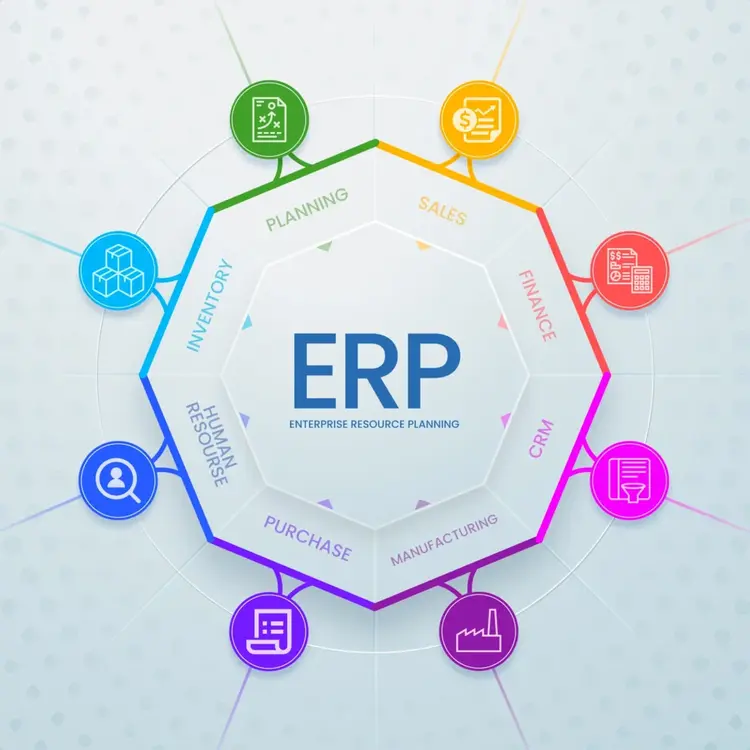
Instead of maintaining separate systems for purchasing, inventory, production, sales, and finance, an ERP platform connects these functions.
For example, when a sales order is created, the system can provide information that supports production planning and material requirements. Procurement teams can then use this information to plan purchases.
This connected approach reduces duplicate data entry and improves communication between departments.
7. Real-Time Reporting and Analytics
Manufacturing managers need accurate information to make effective decisions. ERP software can provide centralized dashboards and reports that offer insights into business performance.
Manufacturers can monitor metrics such as:
- Production efficiency
- Inventory levels
- Order status
- Procurement performance
- Manufacturing costs
- Delivery performance
- Quality trends
With real-time ERP reporting, decision-makers can move beyond manual data collection and respond more quickly to operational changes.
Scalability and Future Business Growth
The ERP system selected today should also support future growth.
As an electronics manufacturing company expands, it may add new products, production lines, customers, suppliers, employees, or locations. The ERP platform should be capable of adapting to these changes.
Flexible ERP Architecture
A scalable manufacturing ERP system should allow businesses to add functionality as their requirements evolve. This prevents companies from replacing their ERP platform every time their operations become more complex.
Scalability is particularly important for manufacturers planning digital transformation and long-term operational growth.
Ease of Use and Employee Adoption
Even a powerful ERP system will provide limited value if employees find it difficult to use.
Manufacturers should evaluate the system’s interface, workflow design, accessibility, and training requirements before implementation.
An intuitive ERP platform can encourage employee adoption and reduce the time required to learn new processes.
Training and Implementation Support
ERP implementation is not only a technology project. It also involves changes to business processes.
Reliable implementation support, employee training, data migration assistance, and ongoing technical support can make the transition smoother and help organizations achieve better results from their ERP investment.
Security and Data Management
Manufacturing organizations manage important operational and business information through their ERP systems. Therefore, data security should be a key consideration.
Look for features such as role-based access, user permissions, secure data management, backups, and monitoring capabilities.
A secure ERP environment helps ensure that employees have access to the information they need while protecting sensitive business data.
Cost and Return on Investment
ERP selection should not be based only on the initial software cost. Businesses should evaluate the overall return on investment.
Consider implementation costs, customization, employee training, maintenance, support, and future scalability.
A well-designed ERP solution can potentially reduce manual work, improve resource utilization, minimize inventory issues, increase production visibility, and support better operational decisions.
The right question is not simply, “How much does the ERP cost?” but rather, “What value can the ERP create for the business?”
Why the Right ERP Partner Matters
Choosing the right technology is important, but selecting the right ERP implementation partner is equally valuable.
An experienced ERP provider can understand manufacturing workflows, identify process gaps, configure the system according to business requirements, and support employees during implementation.
For aerospace and electronics manufacturing companies, working with a provider that understands complex manufacturing environments can help ensure that the ERP system aligns with operational requirements.
Conclusion
Choosing the right ERP software for electronics manufacturing requires a detailed evaluation of manufacturing capabilities, production planning, inventory management, procurement, quality control, integration, reporting, scalability, security, and overall cost.
A well-integrated ERP system can help electronics manufacturers connect business operations, improve visibility, reduce manual processes, and make more informed decisions.
For companies looking to modernize their manufacturing operations, an industry-focused ERP solution can become an important foundation for operational efficiency and sustainable growth. Jurysoft provides ERP solutions designed to help aerospace and electronics manufacturing companies manage their complex business and manufacturing processes through an integrated digital platform.