In aerospace and electronics manufacturing, every stage of production depends on accurate information. From planning and procurement to inventory control, production, quality inspection, and delivery, disconnected systems can create delays, errors, and unnecessary costs. This is where ERP software for manufacturing becomes valuable.
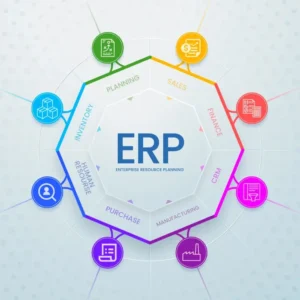
An Enterprise Resource Planning (ERP) system connects essential business operations through one centralized platform. It allows manufacturers to manage production activities, track inventory, monitor quality, and access real-time business information. For industries where precision, traceability, and compliance are critical, an integrated ERP solution can improve operational control and decision-making.
For aerospace and electronics manufacturers, the right manufacturing ERP software can create a connected workflow where manufacturing, inventory, and quality teams work with the same data.
Why Manufacturing Businesses Need an Integrated ERP System
Manufacturing operations involve multiple departments working together. Production teams need material availability information, inventory teams need demand forecasts, and quality teams need access to production and supplier records.
When these functions operate on separate systems or spreadsheets, information can become fragmented. This may result in duplicate data entry, inventory discrepancies, production delays, and difficulty tracking quality issues.
An ERP system for manufacturing companies brings these processes together. A centralized system helps teams share information, automate workflows, and monitor operations from a single source.
Connecting Different Manufacturing Processes
A modern ERP platform can connect:
- Production planning
- Procurement
- Inventory management
- Shop-floor operations
- Quality control
- Sales and order management
- Supply chain management
- Financial management
- Reporting and analytics
This connected approach provides greater visibility across the manufacturing lifecycle.
How ERP Software Connects Manufacturing Operations
Production planning requires accurate information about orders, materials, machines, employees, and delivery schedules. ERP software helps manufacturers coordinate these elements more effectively.
Better Production Planning
Manufacturers can use ERP systems to create production plans based on customer orders, inventory levels, material availability, and production capacity.
Instead of relying on multiple spreadsheets, production teams can access centralized information and make faster planning decisions.
For aerospace and electronics manufacturing, where production requirements can be complex, an ERP solution for aerospace manufacturing can help organizations manage detailed production processes and maintain better operational visibility.
Real-Time Production Visibility
ERP software can provide information about production status, work orders, material consumption, and completed operations.
Managers can monitor whether production is progressing according to schedule and identify potential bottlenecks earlier.
This visibility supports faster decision-making and helps reduce production downtime.
How ERP Improves Inventory Management
Inventory management is closely connected to production and purchasing. If required materials are unavailable, production can stop. On the other hand, excessive inventory can increase storage costs and tie up working capital.
A manufacturing ERP system helps businesses maintain better control over inventory.
Real-Time Inventory Tracking
ERP software can track raw materials, components, work-in-progress items, and finished goods.
Teams can view stock levels and inventory movements across locations, helping them understand what is available and what needs to be replenished.
For electronics manufacturers managing large numbers of components, accurate inventory information is particularly important.
Better Material Planning
ERP systems can connect production requirements with purchasing and inventory data. When production plans change, procurement teams can receive updated information about material requirements.
This can help manufacturers reduce material shortages while avoiding unnecessary purchasing.
Lot and Batch Traceability
Traceability is an important requirement in many manufacturing environments. ERP software can help track materials from procurement through production and final delivery.
Lot numbers, batch information, supplier details, and material movements can be recorded within the system.
This creates a clearer history of materials and products and supports more efficient investigation when quality issues occur.
Bringing Quality Management Into the ERP Workflow
Quality should not be treated as a separate activity that happens only after manufacturing is complete. It needs to be integrated throughout the production process.
An ERP system can connect quality management with purchasing, inventory, production, and supplier activities.
Managing Quality Inspections
ERP software can support inspection processes for incoming materials, work-in-progress products, and finished goods.
Quality teams can record inspection results and identify whether materials or products meet defined requirements.
This creates a structured quality workflow and reduces dependence on manual records.
Identifying Quality Issues Faster
When quality information is connected with production and inventory data, teams can investigate problems more efficiently.
For example, if a component fails inspection, the business can trace relevant inventory records, suppliers, batches, purchase orders, and production activities.
This connected information can help manufacturers identify the source of an issue and take corrective action.
ERP for Aerospace Manufacturing
Aerospace manufacturing requires high levels of accuracy, traceability, documentation, and process control. Manufacturing operations may involve complex assemblies, multiple suppliers, strict specifications, and detailed quality requirements.
An aerospace manufacturing ERP system can help connect these activities through centralized data.
Supporting Aerospace Traceability
ERP software can help organizations maintain records related to materials, components, production activities, inspections, and finished products.
This supports traceability across the manufacturing lifecycle and makes important information easier to retrieve when required.
Managing Complex Production Requirements
Aerospace manufacturers often deal with engineering changes, customized orders, long production cycles, and multiple stages of assembly.
ERP software can provide a structured platform for managing production information and coordinating departments.
ERP for Electronics Manufacturing
Electronics manufacturing involves complex supply chains, large component inventories, frequent product changes, and strict quality requirements.
A dedicated ERP for electronics manufacturing can help organizations manage these challenges more efficiently.
Managing Large Component Inventories
Electronics manufacturers may handle thousands of components and part numbers. Accurate inventory records are essential to avoid shortages, excess stock, and production interruptions.
ERP software provides centralized visibility into component availability and inventory movement.
Supporting Product and Process Changes
As electronics products evolve, manufacturing processes and material requirements may change. ERP software can help organizations coordinate production, purchasing, inventory, and quality information when requirements are updated.
The Benefits of Connecting Manufacturing, Inventory and Quality
The biggest advantage of ERP software is not simply automation. It is the connection between business functions.
When manufacturing, inventory, and quality operate using shared data, companies can achieve several benefits.
Improved Operational Visibility
Managers can access information about production, stock levels, purchasing, and quality from one centralized system.
Reduced Manual Data Entry
Automated workflows reduce repetitive data entry and help minimize errors caused by transferring information between different systems.
Better Decision-Making
Real-time information allows managers to identify operational issues and make decisions based on current data rather than outdated reports.
Improved Traceability
Connected records make it easier to trace materials, production activities, inspections, and finished products.
Higher Production Efficiency
Better coordination between departments can reduce delays, improve material availability, and support smoother production workflows.
Choosing the Right Manufacturing ERP Software
Not every ERP platform is suitable for every manufacturing business. Aerospace and electronics manufacturers should consider their specific operational requirements before selecting an ERP solution.
Important factors include:
- Production planning capabilities
- Inventory and warehouse management
- Quality management
- Lot and batch traceability
- Procurement management
- Supply chain visibility
- Reporting and analytics
- Scalability
- Integration capabilities
- Industry-specific requirements
The ERP system should support current operations while also providing flexibility for futur
e growth.
How Jurysoft Helps Manufacturing Companies
Jurysoft provides ERP solutions designed to support the operational needs of aerospace and electronics manufacturing companies. By bringing manufacturing, inventory, quality, procurement, and other business processes together, ERP software can provide manufacturers with greater visibility and control.
A connected ERP environment helps organizations move away from isolated systems and manual processes toward a more integrated approach to manufacturing management.
For companies looking to improve production efficiency, inventory accuracy, quality control, and operational visibility, implementing the right ERP software for aerospace and electronics manufacturing can be an important step toward building a more connected manufacturing operation.
Conclusion
Manufacturing performance depends on how effectively different processes work together. Production needs materials, inventory needs accurate demand information, and quality teams need visibility into materials and manufacturing activities.
ERP software connects these functions through centralized data and integrated workflows. For aerospace and electronics manufacturers, this can improve traceability, production planning, inventory control, quality management, and decision-making.
With the right manufacturing ERP system, businesses can create a more connected operation where manufacturing, inventory, and quality work together rather than functioning as separate departments.