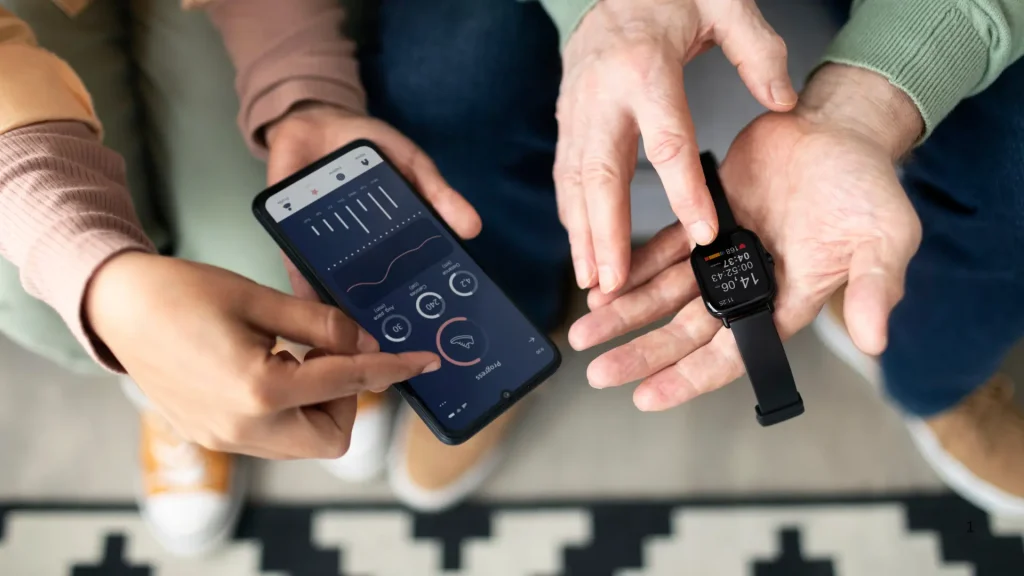
The global adoption of wearable devices — smartwatches, fitness bands, biosensors, smart rings — has transformed the way people manage their health. These devices collect continuous, real-time health metrics such as heart rate, sleep quality, steps, calories burned, blood oxygen levels, stress patterns, and more.
For developers building an AI-powered health assistant app, integrating wearable technology isn’t just an upgrade — it’s a necessity. It enables the app to deliver personalized, actionable insights that improve user wellbeing and long-term engagement.
In this blog, we’ll explore why wearable integration matters, how the integration process works, and the challenges and solutions developers should be aware of.
Why Integrate Wearables with Your AI Health App?
- Real-time data collection: AI needs reliable, continuous data input to deliver meaningful insights.
- Personalized recommendations: Wearable insights enable AI systems to tailor reminders, activity prompts, sleep advice, and nutrition recommendations.
- Improved engagement: Users are more likely to stick with apps that automate tracking rather than requiring manual entry.
- Preventive healthcare: Early detection of anomalies (e.g., low SpO2, irregular heartbeat, lack of sleep) can help prevent or identify health issues sooner.
Step-by-Step Guide to Integrating Wearables with an AI Health Assistant
1. Select the Wearable Platforms and Data Sources
Start by identifying which devices or health ecosystems your users are most likely to use. Common platforms include:
- Apple HealthKit – for iOS apps and Apple Watch data
- Google Fit – for Android and many cross-brand wearables
- Fitbit, Garmin & others – using their specific APIs/SDKs
Supporting multiple platforms increases market reach, but requires careful planning for data standardization.
2. Connect Using SDKs and APIs
Once platforms are selected, build secure connections to collect authorized user data.
- Mobile SDKs allow direct device-to-app data transfer.
- Cloud-based APIs enable server-side synchronization for scalable solutions.
During integration, ensure:
- Permission-based data access
- Background sync support
- Battery-optimal data fetching intervals
3. Normalize and Secure the Data
Different wearable ecosystems may use different formats, units, and timestamps. To support AI analysis later, normalization is crucial.
Example challenges:
| Data Type | From Device A | From Device B |
|---|---|---|
| Distance | Miles | Kilometers |
| Sleep Tracking | Minutes | Sleep Stages |
| Time | Local Time | UTC |
A clean and standardized data layer ensures AI models receive high-quality, structured inputs.
4. Add an AI & Analytics Engine
Raw data doesn’t improve health outcomes — intelligence does.
Here’s where AI brings value:
- Detecting health patterns and anomalies
- Predicting wellness trends
- Suggesting personalized routines
- Providing motivational nudges for healthy behavior
- Triggering alerts for critical vitals (optional, depending on compliance)
Examples of user-centric AI features:
- “Your sleep was disrupted 4 times last night — try reducing screen exposure before bedtime.”
- “Your heart rate seems elevated today. Would you like a guided breathing session?”
5. Build an Intuitive User Experience
Even the most advanced backend doesn’t matter if the user interface is confusing. Focus on:
- Graphs and visual trends over time
- Smart notifications — not overload
- Goal-setting and achievement badges
- Seamless onboarding for wearable connections
Clear instructions and benefit-driven prompts improve permission acceptance rates.
6. Follow Healthcare Security and Compliance Guidelines
Health data must be treated with maximum confidentiality. Remember to implement:
- Encryption for data in transit and at rest
- Secure authentication
- Transparent data usage consent
- Compliance frameworks based on region (e.g., HIPAA, GDPR)
Respecting privacy builds long-term trust — which is essential for any health ecosystem.
Challenges to Anticipate — and How to Overcome Them
| Challenge | Solution |
|---|---|
| Device and API fragmentation | Build a modular integration layer for easy future expansion |
| Data accuracy | Introduce validation checkpoints and error handling |
| User consent hesitation | Provide clear explanations of benefits and transparency |
| Synchronization delays | Support both Bluetooth and cloud sync for resilience |
Final Thoughts: Wearables + AI = The Future of Digital Healthcare
Wearable technology has unlocked a new era of proactive and personalized healthcare. When combined with AI, it creates meaningful daily impact — smarter routines, healthier behavior, improved self-awareness, and earlier risk detection.
If you are planning to build an AI-powered health assistant or want to modernize an existing product with wearable integration, professional expertise can significantly accelerate your journey.
You can explore specialized healthcare app development support here:
👉 https://jurysoft.com/cities/bangalore/healthcare-app-development/