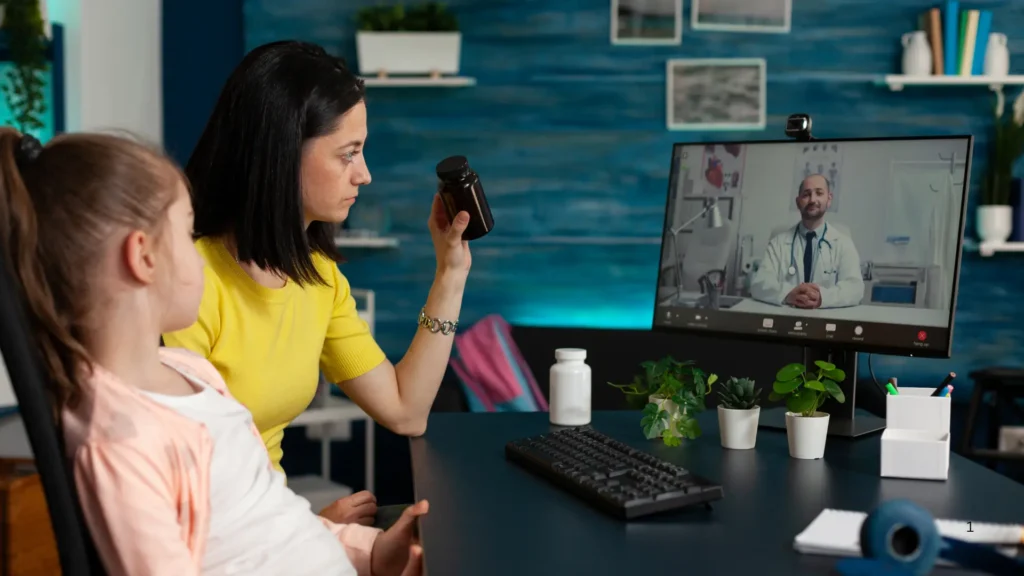
The landscape of mental healthcare is rapidly evolving, and teletherapy platforms are at the center of this transformation. What started as simple video consultations has now grown into intelligent, data-driven systems—thanks to the integration of wearable technology and biometric data.
As users increasingly adopt smartwatches and fitness trackers, teletherapy platforms have an opportunity to deliver more personalized, real-time, and effective care. Let’s explore how wearables and biometric data are reshaping the future of teletherapy.
The Shift Toward Data-Driven Mental Healthcare
Traditional therapy relies heavily on patient self-reporting. While valuable, it can sometimes be inconsistent or limited to what patients remember or feel comfortable sharing.
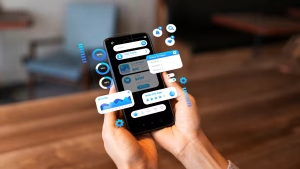
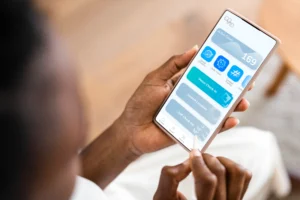
Wearable devices bridge this gap by continuously collecting biometric data such as heart rate, sleep cycles, stress levels, and physical activity. This real-time data allows therapists to gain a more accurate and holistic understanding of a patient’s mental and emotional state.
What Is Biometric Data in Teletherapy?
Biometric data refers to measurable physical and behavioral indicators collected through wearable devices. In the context of teletherapy, this includes:
- Heart rate and heart rate variability
- Sleep quality and duration
- Daily activity levels
- Stress and anxiety indicators
- Breathing patterns
This data provides deeper insights that go beyond traditional therapy sessions, helping clinicians make more informed decisions.
Key Ways Wearables Are Enhancing Teletherapy Platforms
1. Real-Time Mental Health Monitoring
Wearables enable continuous monitoring of physiological signals linked to emotional well-being. For instance, sudden spikes in heart rate or irregular sleep patterns may indicate stress or anxiety.
This allows therapists to:
- Track patient progress between sessions
- Identify triggers and behavioral patterns
- Provide timely interventions when needed
2. Personalized Therapy Experiences
With access to continuous data, teletherapy platforms can deliver highly personalized care.
For example:
- Sleep data can guide adjustments in therapy techniques
- Activity levels can influence behavioral therapy plans
- Stress indicators can trigger mindfulness exercises
This level of customization improves treatment effectiveness and patient satisfaction.
3. Proactive and Preventive Care
One of the biggest advantages of biometric data is early detection. Instead of waiting for symptoms to worsen, therapists can identify warning signs in advance.
Changes in sleep, activity, or stress levels can signal potential mental health issues, allowing for early intervention and preventive care.
4. Improved Patient Engagement
Wearables make patients more involved in their own care journey. By tracking their progress and seeing real-time feedback, users are more likely to stay engaged with therapy.
Features like:
- Goal tracking
- Progress dashboards
- Reminders and alerts
help create a more interactive and motivating experience.
5. Data-Driven Clinical Decisions
Biometric insights allow therapists to make evidence-based decisions rather than relying solely on subjective input.
Teletherapy platforms can use analytics and AI to:
- Identify trends and patterns
- Measure therapy effectiveness
- Predict potential mental health risks
This leads to more accurate diagnoses and better outcomes.
Challenges to Address
Despite the benefits, integrating wearables into teletherapy platforms comes with challenges:
- Data Privacy & Security: Sensitive health data must be protected
- Accuracy Concerns: Not all wearables provide clinical-grade data
- Integration Complexity: Syncing multiple devices and data sources
- User Adoption: Some users may be hesitant to use wearable tech
Overcoming these challenges is essential for building reliable and scalable teletherapy solutions.
The Future of Teletherapy
The combination of wearable technology, biometric data, and AI is shaping the next generation of mental healthcare. Teletherapy platforms are moving beyond communication tools to become intelligent systems capable of delivering proactive, personalized care.
As innovation continues, we can expect:
- Smarter mental health predictions
- Real-time therapist alerts
- Deeper integration with digital health ecosystems
Build Next-Gen Teletherapy Solutions with Jurysoft
For healthcare providers and startups looking to build advanced teletherapy platforms, integrating wearable technology is no longer optional—it’s a competitive advantage.
Jurysoft, a leading app development company in Bangalore, specializes in creating scalable and secure healthcare solutions tailored to modern needs.
Learn more about our teletherapy development services here:
👉 https://jurysoft.com/cities/bangalore/healthcare-app-development/teletherapy.html
Conclusion
Wearables and biometric data are transforming teletherapy into a smarter, more responsive, and patient-centric experience. By enabling real-time monitoring, personalized treatment, and early intervention, these technologies are redefining how mental healthcare is delivered.
Organizations that embrace this shift today will be better positioned to lead the future of digital health.