Access to quality healthcare remains a major challenge in rural areas. Limited medical facilities, shortage of doctors, and long travel distances often delay diagnosis and treatment. However, telemedicine is emerging as a powerful solution, transforming how healthcare is delivered in remote regions.
What is Telemedicine?
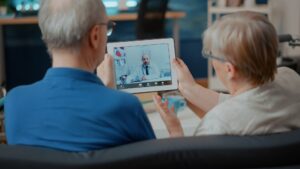
Telemedicine involves providing medical services through digital platforms such as mobile apps, video calls, and remote monitoring tools. It enables patients to consult doctors without visiting hospitals, making healthcare more accessible and efficient.
Why Telemedicine is Growing in Rural Areas
1. Rising Internet and Smartphone Usage
With increased internet penetration and affordable smartphones, even rural populations can now access digital healthcare services.
2. Shortage of Healthcare Professionals
Rural areas often lack specialists and experienced doctors. Telemedicine connects patients with qualified healthcare providers from urban centers.
3. Government Support
Many governments are promoting telehealth initiatives to improve rural healthcare infrastructure and reduce disparities.
4. Cost-Effective Healthcare
Telemedicine reduces travel expenses, hospital visits, and overall treatment costs, making healthcare more affordable for rural populations.
Key Benefits of Telemedicine in Rural Healthcare
Improved Accessibility
Patients can receive medical advice and treatment from the comfort of their homes, eliminating geographical barriers.
Faster Diagnosis and Treatment
Telemedicine enables quick consultations, reducing delays in diagnosis and improving health outcomes.
Chronic Disease Management
Remote monitoring tools help track conditions like diabetes and hypertension, ensuring continuous care.
Emergency Support
Telemedicine can provide immediate assistance in emergencies, especially in areas where hospitals are far away.
Challenges to Overcome
Despite its advantages, telemedicine in rural areas faces some challenges:
- Limited digital literacy
- Poor internet connectivity in remote regions
- Data privacy and security concerns
- Resistance to adopting new technologies
Addressing these issues is essential for maximizing the impact of telemedicine.
Future of Telemedicine in Rural Areas
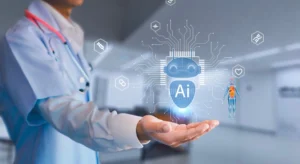
The future looks promising as advancements in technology such as AI, IoT, and wearable devices continue to enhance telemedicine capabilities. With better infrastructure and awareness, telemedicine is expected to become a primary mode of healthcare delivery in rural regions.
Building Effective Telemedicine Solutions
To fully leverage telemedicine, healthcare providers need reliable and scalable digital platforms. Partnering with experienced development companies ensures the creation of secure, user-friendly, and efficient applications.
If you’re looking to develop a telemedicine solution, explore expert services here:
👉 https://jurysoft.com/cities/bangalore/healthcare-app-development/telemedicine.html
Conclusion
Telemedicine is revolutionizing rural healthcare by making medical services more accessible, affordable, and efficient. As adoption continues to grow, it has the potential to significantly reduce healthcare disparities and improve the quality of life for millions in rural communities.