Healthcare is a universal right — but for millions of people living in rural and remote regions, access to quality medical services is still a daily struggle. Long distances to hospitals, shortage of specialists, limited infrastructure, and high travel expenses leave many individuals without timely care. In such settings, telemedicine is not just a technological upgrade — it is a lifeline.
What Is Telemedicine?
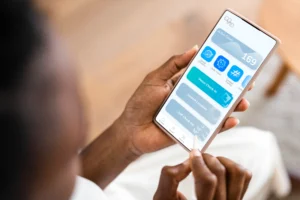
Telemedicine refers to the delivery of healthcare services through digital communication tools such as video consultations, mobile apps, remote monitoring devices, and online prescription platforms. It enables patients to connect with certified doctors without traveling long distances, making healthcare more accessible, affordable, and timely.
Why Telemedicine Matters for Rural and Remote Regions
1. Access to Specialists
Most specialized doctors practice in urban areas. With telemedicine, patients in remote locations can consult cardiologists, neurologists, dermatologists, pediatricians and more — without leaving their village.
2. Reduced Travel and Cost
A single doctor visit in a city may involve hours of travel, lost wages, and transportation costs. Telemedicine eliminates these barriers while still providing expert medical guidance.
3. Timely Diagnosis and Treatment
In rural regions, delayed treatment often turns manageable conditions into life-threatening situations. Telemedicine enables early diagnosis through real-time consultations, improving patient outcomes.
4. Improved Chronic Disease Management
Patients dealing with diabetes, hypertension, heart disease, and other chronic conditions often need regular follow-up. Remote check-ups and digital monitoring tools make long-term care much easier and more consistent.
5. Better Emergency Support
During emergencies, telemedicine platforms allow local nurses or community health workers to contact doctors immediately and stabilize the patient before transportation to a hospital.
How Telemedicine Works in Rural Healthcare
Telemedicine services usually include:
- Video or audio consultations with licensed doctors
- Uploading reports for digital review
- Online prescriptions and treatment plans
- Doorstep delivery of medicines through partnered pharmacies
- Remote monitoring of vitals using smart devices
- Electronic health records to maintain continuity of care
When integrated with primary health centers or mobile medical units, telemedicine becomes a complete care ecosystem.
Challenges to Adoption — and the Path Forward
While the benefits of telemedicine are undeniable, certain challenges remain:
- Limited internet access in remote locations
- Low digital literacy among elderly or less educated patients
- Need for data privacy protections and regulatory clarity
- Requirement for user-friendly platforms that support local languages
With continued investment in rural connectivity, digital health education, and secure telemedicine platforms, these barriers can be overcome.
A Future Built on Healthcare Equality
Telemedicine has proven that geography should not determine the quality of medical care a person receives. As the technology evolves, the healthcare gap between rural and urban populations will continue to shrink — creating a more equitable and healthier world.
Healthcare innovators and development companies are playing a major role in making this possible. To learn more about how telemedicine platforms are built and deployed, visit the link below:
🔗 https://jurysoft.com/cities/bangalore/healthcare-app-development/telemedicine.html