Manufacturing companies today operate in an environment where production efficiency, product quality, inventory control, and supply chain coordination are more important than ever. This is especially true for aerospace and electronics manufacturing companies, where even a small production delay, quality issue, or supply chain disruption can affect costs, delivery schedules, and customer satisfaction.
A Manufacturing ERP system helps businesses bring these critical functions together through a centralized digital platform. Instead of managing production, procurement, inventory, quality, and supply chain activities through disconnected systems, manufacturers can connect their operations and gain better visibility across the entire manufacturing lifecycle.
For companies looking to improve operational control, ERP for aerospace manufacturing and ERP for electronics manufacturing can provide the foundation needed to build more connected, accurate, and scalable operations.
What Is Manufacturing ERP?
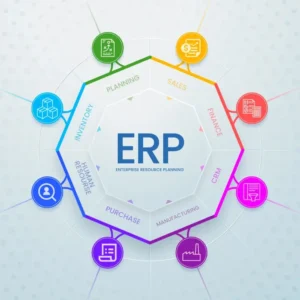
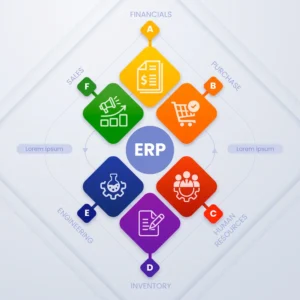
A Manufacturing ERP (Enterprise Resource Planning) system is business management software designed to connect different manufacturing processes within one centralized platform.
It can integrate areas such as:
- Production planning
- Inventory management
- Procurement
- Quality management
- Supply chain management
- Sales and order management
- Finance and accounting
- Workforce management
- Reporting and analytics
By connecting these functions, manufacturing ERP software creates a common flow of information across departments. Employees can work with consistent data instead of relying on multiple spreadsheets, disconnected applications, or manual processes.
Why Integration Matters in Manufacturing
Production does not operate independently. It depends on materials being available, suppliers delivering components on time, machines being ready, and quality requirements being met.
For example, if a required electronic component is delayed, production may be interrupted. If a quality inspection identifies a defective batch, inventory and production plans may need to be adjusted.
An integrated ERP system for manufacturing allows these activities to communicate with each other, helping businesses respond faster to operational changes.
Connecting Production With Real-Time Business Data
Production teams need accurate information to plan and execute manufacturing activities effectively. A manufacturing ERP system can provide centralized access to production orders, material requirements, work schedules, inventory levels, and other important information.
Better Production Planning
Manufacturers can use ERP software to plan production based on customer orders, inventory availability, material requirements, and production capacity.
This can help organizations:
- Schedule production more efficiently
- Monitor work orders
- Track production progress
- Identify material shortages
- Reduce production delays
- Improve resource utilization
For aerospace manufacturers working with complex assemblies and strict delivery requirements, effective aerospace manufacturing ERP software can help connect production planning with purchasing, inventory, and quality processes.
Improved Production Visibility
Manufacturing ERP provides managers with a clearer view of what is happening across production operations.
Instead of waiting for manual reports, decision-makers can access information about production status, inventory, pending orders, and operational issues from a centralized system.
This visibility supports faster decision-making and better production control.
Integrating Quality Management Into Manufacturing
Quality is a critical part of manufacturing, particularly in aerospace and electronics industries where products often need to meet demanding specifications and compliance requirements.
A disconnected quality process can make it difficult to identify where problems originate. Manufacturing ERP can connect quality activities with production, inventory, suppliers, and other business processes.
Tracking Quality Across Production
ERP software can help manufacturers record and monitor quality inspections throughout the production process.
Quality-related information can include:
- Inspection results
- Non-conformance records
- Defective materials
- Corrective actions
- Supplier quality information
- Batch and lot details
- Production quality data
Connecting this information with production records makes it easier to understand how quality issues affect manufacturing operations.
Supporting Traceability
Traceability is particularly important for aerospace manufacturing and electronics manufacturing.
Manufacturers may need to identify where a component came from, which batch it belongs to, when it was used, and where the finished product was manufactured.
An integrated ERP system can help maintain these records across purchasing, inventory, production, and quality processes, creating a more transparent manufacturing environment.
Connecting Manufacturing With Supply Chains
Supply chain management plays a major role in keeping manufacturing operations running smoothly. A shortage of critical components can stop production, while excess inventory can increase storage and carrying costs.
Manufacturing ERP helps connect procurement, inventory, suppliers, and production planning.
Smarter Inventory Management
With centralized inventory data, businesses can monitor available materials, stock levels, purchase requirements, and material consumption.
This can help manufacturers:
- Reduce excess inventory
- Identify stock shortages
- Improve material planning
- Track component movement
- Support better purchasing decisions
- Reduce production interruptions
For electronics manufacturers that depend on numerous components, effective electronics manufacturing ERP software can be particularly valuable for maintaining better visibility into materials and inventory.
Improving Supplier Coordination
ERP systems can also connect supplier information with purchasing and production requirements.
Procurement teams can monitor purchase orders, expected deliveries, supplier performance, and material requirements.
When supplier information is connected to production planning, companies can identify potential material shortages earlier and take corrective action.
Creating One Connected Manufacturing Ecosystem
The real value of manufacturing ERP comes from connecting different business functions instead of treating them as separate departments.
Consider a simple manufacturing workflow:
Customer Order → Production Planning → Material Requirements → Procurement → Inventory → Production → Quality Inspection → Finished Goods → Delivery
An integrated ERP platform can connect these stages and allow information to move between them.
For example, when a new order is received, production planning can determine material requirements. Procurement can identify what needs to be purchased, while inventory teams can check available stock. Production can then use the required materials, and quality teams can record inspection results before the finished product is delivered.
This connected approach reduces information gaps and improves operational visibility.
Manufacturing ERP for Aerospace and Electronics Companies
Aerospace and electronics manufacturers often deal with complex products, multiple components, strict quality requirements, and detailed production processes.
Aerospace Manufacturing
Aerospace companies may require strong control over production planning, component traceability, quality processes, supplier management, and documentation.
An ERP for aerospace manufacturing can help bring these areas together while providing better visibility into production and supply chain activities.
Electronics Manufacturing
Electronics manufacturers often manage large numbers of components and frequent production changes. Managing component availability, inventory, procurement, production, and quality efficiently is essential.
An ERP for electronics manufacturing can help businesses connect these activities and improve control over their manufacturing operations.
Benefits of an Integrated Manufacturing ERP System
Implementing a connected ERP platform can provide several advantages.
1. Centralized Data
Departments can work with a common source of business and manufacturing information.
2. Better Operational Visibility
Managers can monitor production, inventory, quality, and supply chain activities more effectively.
3. Improved Planning
Production and procurement teams can make decisions using more accurate operational data.
4. Stronger Quality Control
Quality information can be connected directly with production and supplier activities.
5. Improved Supply Chain Management
Businesses can better coordinate purchasing, inventory, suppliers, and production requirements.
6. Reduced Manual Work
Automating repetitive processes can reduce dependence on spreadsheets and manual data entry.
7. Better Decision-Making
Integrated reports and real-time business information can help management identify problems and opportunities faster.
Choosing the Right Manufacturing ERP
Selecting the right ERP system requires manufacturers to consider their specific operational requirements.
Companies should evaluate factors such as:
- Production complexity
- Quality management requirements
- Inventory processes
- Supplier management
- Traceability requirements
- Scalability
- Reporting capabilities
- Integration capabilities
- Industry-specific requirements
The right manufacturing ERP software should not simply automate individual tasks. It should connect the different parts of the manufacturing business and create a unified operational environment.
The Future of Connected Manufacturing
Manufacturing is becoming increasingly data-driven. As companies adopt automation, analytics, IoT, artificial intelligence, and other digital technologies, ERP systems can become an important foundation for connecting these technologies with core business operations.
A connected ERP platform can help manufacturers move from reactive decision-making toward more proactive and data-driven operations.
For aerospace and electronics manufacturers, this connectivity can be particularly valuable because production, quality, materials, and supply chain activities are closely linked.
Conclusion
Connecting production, quality, and supply chains is becoming essential for modern manufacturers. A Manufacturing ERP system provides a centralized platform that brings these functions together, helping businesses improve visibility, streamline processes, strengthen quality management, and make better operational decisions.
For aerospace and electronics manufacturing companies, an industry-focused ERP approach can help manage complex production environments while supporting traceability, inventory control, procurement, and quality processes.
With the right ERP software for manufacturing, companies can create a more connected operation where production, quality, and supply chain teams work with the information they need—helping build a stronger foundation for efficiency, growth, and long-term competitiveness.