Manufacturing industries are becoming increasingly complex, especially in sectors such as aerospace and electronics where precision, quality, traceability, and timely delivery are critical. Companies operating in these industries manage multiple production stages, suppliers, materials, quality checks, inventory requirements, and customer expectations. Without clear visibility across these operations, even a small issue can create delays, higher costs, and production inefficiencies.
This is why manufacturing visibility has become an important business priority. By connecting production, inventory, procurement, quality, finance, and other business functions through an integrated ERP system, aerospace and electronics manufacturers can gain better control over their operations and make faster, data-driven decisions.
What Is Manufacturing Visibility?
Manufacturing visibility refers to the ability to see and understand what is happening across the entire manufacturing process in real time or near real time. It provides businesses with a clear view of production progress, inventory levels, material availability, machine utilization, quality performance, orders, and other critical operational information.
For aerospace and electronics companies, visibility goes beyond simply tracking production. It involves understanding the complete journey of materials and components from procurement to production, inspection, assembly, and final delivery.
Why Visibility Is Important in Complex Manufacturing
Aerospace and electronics manufacturing often involve multiple components, production stages, suppliers, and quality requirements. When information is stored across disconnected spreadsheets, systems, or departments, it becomes difficult to identify problems quickly.
An integrated ERP solution can bring this information together, helping management teams understand current operations and respond to potential issues before they affect production schedules.
The Role of ERP in Manufacturing Visibility
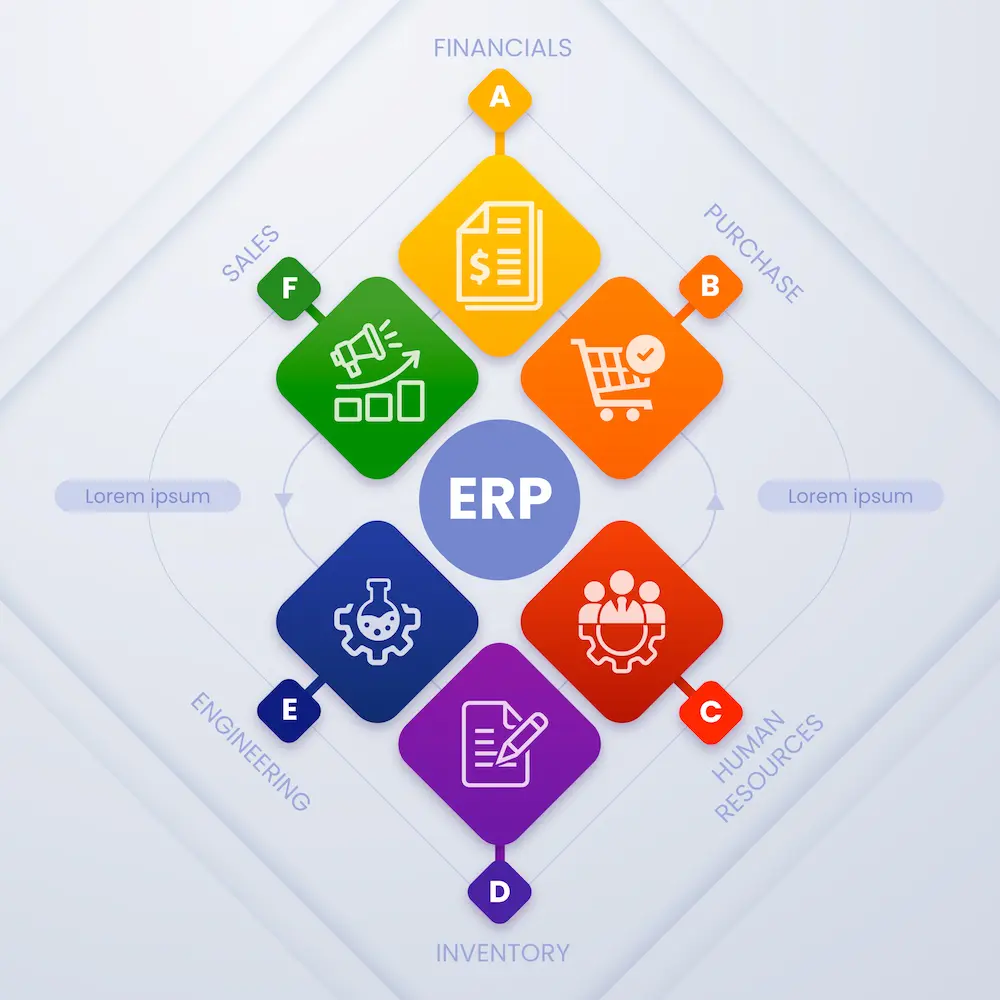
An Enterprise Resource Planning (ERP) system connects different business processes through a centralized platform. Instead of managing production, purchasing, inventory, finance, and quality information separately, manufacturers can access connected data within one system.
For aerospace and electronics manufacturers, this integration can improve operational visibility and coordination.
Real-Time Production Monitoring
Production teams need to know whether manufacturing activities are progressing according to plan. ERP systems can provide information about work orders, production stages, material availability, and completion status.
This enables managers to identify production bottlenecks and take corrective action more quickly.
Better Inventory Visibility
Materials and components play an important role in aerospace and electronics manufacturing. Excess inventory can increase carrying costs, while insufficient materials can stop production.
ERP software can provide visibility into inventory quantities, material movements, purchase orders, and requirements. This helps manufacturers maintain appropriate stock levels and improve inventory management for manufacturing.
Improved Procurement Visibility
Manufacturing performance depends heavily on reliable suppliers. Delays in raw materials or components can affect production schedules and customer deliveries.
An ERP system can connect procurement information with inventory and production requirements. Purchasing teams can track purchase orders, supplier deliveries, material requirements, and procurement status more efficiently.
Manufacturing Visibility for Aerospace Companies
Aerospace manufacturing requires extremely high levels of precision and traceability. Components may need to meet strict specifications and quality requirements throughout their lifecycle.
Traceability Across the Production Lifecycle
Aerospace manufacturers need to understand where materials came from, how they were processed, and where components were used. Strong traceability helps businesses maintain accurate production records and support quality and compliance requirements.
An ERP system can help connect material information, work orders, production records, inspection results, and other relevant data.
Managing Complex Production Requirements
Aerospace production can involve long manufacturing cycles, engineering changes, multiple components, and specialized processes. Without centralized information, it can be difficult to coordinate these activities.
ERP software for aerospace manufacturing can provide a structured view of production planning, materials, work orders, inventory, and quality processes.
Manufacturing Visibility for Electronics Companies
Electronics manufacturing operates in a highly competitive environment where product lifecycles can be short and demand can change quickly. Manufacturers need accurate information to respond efficiently.
Managing Components and Materials
Electronics products may contain numerous components and subassemblies. Tracking component availability is essential for maintaining production schedules.
Manufacturing ERP software can provide visibility into component inventory, material requirements, purchasing, and production consumption.
Supporting Quality Control
Quality problems in electronics manufacturing can result in rework, production delays, product returns, and increased costs.
By connecting quality processes with production and inventory data, ERP systems can help manufacturers identify quality issues and understand their impact on operations.
Key Benefits of Manufacturing Visibility
Improving visibility across manufacturing operations can provide several business benefits.
1. Faster Decision-Making
When managers have access to accurate operational data, they can make decisions faster. Instead of waiting for information from multiple departments, teams can access centralized data through an ERP platform.
2. Reduced Production Delays
Visibility helps manufacturers identify material shortages, production bottlenecks, and supplier delays earlier. This gives teams an opportunity to address issues before they significantly affect delivery schedules.
3. Better Resource Utilization
Manufacturers can monitor production capacity, labor requirements, materials, and other resources. This can support better production planning and scheduling.
4. Improved Quality Management
Connected production and quality information can help manufacturers identify recurring issues, monitor inspection results, and improve quality control processes.
5. Stronger Supply Chain Coordination
A centralized system improves communication between procurement, inventory, production, and suppliers. Better visibility can contribute to a more responsive manufacturing supply chain.
6. Greater Operational Efficiency
When departments work with connected information instead of isolated data, organizations can reduce manual work, duplicate data entry, and information gaps.
How ERP Creates End-to-End Manufacturing Visibility
Manufacturing visibility is most effective when different operational functions are connected.
Production + Inventory
Connecting production with inventory helps teams understand which materials are available and whether required components are ready for manufacturing.
Procurement + Supply Chain
Integrating procurement with production requirements enables purchasing teams to plan material purchases based on actual business needs.
Quality + Production
Connecting quality data with production activities makes it easier to identify where defects or process problems occur.
Finance + Operations
Linking financial information with manufacturing activities gives management a clearer understanding of production costs, purchasing expenses, inventory value, and overall profitability.
This end-to-end ERP integration creates a more complete view of manufacturing performance.
The Future of Manufacturing Visibility
Manufacturing visibility is becoming increasingly important as companies adopt digital manufacturing technologies. Businesses are moving toward connected operations where data can be used to improve planning, productivity, quality, and customer service.
Modern ERP solutions can support this transformation by providing a centralized source of business information. As manufacturing organizations adopt automation, analytics, cloud technologies, and connected systems, the importance of reliable data visibility will continue to increase.
For aerospace and electronics manufacturers, visibility is not simply about knowing what is happening on the factory floor. It is about understanding how every part of the business contributes to production performance and customer delivery.
Conclusion
Aerospace and electronics manufacturing companies operate in environments where precision, quality, traceability, and efficiency are essential. Limited visibility can make it difficult to identify problems, control costs, manage materials, and meet production schedules.
An integrated ERP for aerospace and electronics manufacturing can connect critical business processes and provide a clearer view of operations. From production planning and inventory management to procurement, quality control, and financial operations, ERP technology can help manufacturers make better decisions using connected information.
For companies looking to improve operational efficiency and build a more responsive manufacturing environment, investing in manufacturing visibility through ERP can be an important step toward sustainable digital transformation.