Aerospace and electronics manufacturing require precision, traceability, quality control, and efficient coordination across multiple production stages. From procurement and inventory management to production planning, quality assurance, and delivery, manufacturers need accurate information at every step.
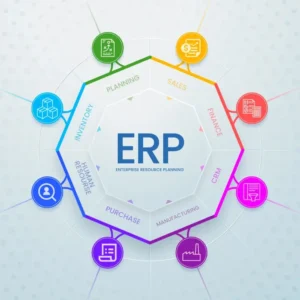
This is where ERP for aerospace and electronics manufacturing becomes valuable. An integrated Enterprise Resource Planning (ERP) system connects different business functions and provides end-to-end visibility across the manufacturing lifecycle.
For companies managing complex components, strict quality requirements, multiple suppliers, and changing production schedules, ERP can help transform disconnected processes into a centralized and data-driven operation.
What Is End-to-End Visibility in Manufacturing?
End-to-end visibility means having a clear view of business and production activities from the initial procurement stage to the final delivery of finished products.
In traditional manufacturing environments, information may be stored across spreadsheets, separate software systems, emails, and manual records. This can make it difficult for managers to understand what is happening across the entire production cycle.
An ERP system for manufacturing brings these processes together. Teams can access relevant information from a centralized platform, helping them monitor:
- Raw material availability
- Purchase orders
- Supplier activities
- Production schedules
- Work-in-progress inventory
- Quality inspections
- Machine and resource utilization
- Finished goods
- Customer orders
- Delivery status
- Production costs
This connected approach creates greater transparency and helps organizations make faster, more informed decisions.
How ERP Improves Visibility in Aerospace Manufacturing
Aerospace manufacturing involves highly complex products, strict quality standards, and detailed documentation. Even a small production issue can affect schedules, costs, and compliance.
An aerospace manufacturing ERP system can connect critical processes and provide better control over production information.
1. Complete Production Tracking
ERP software can track production orders throughout their lifecycle. Managers can monitor which components are being manufactured, which are awaiting processing, and which have completed specific production stages.
This makes it easier to identify delays and take corrective action before they affect delivery schedules.
2. Improved Traceability
Traceability is particularly important in aerospace manufacturing. Companies may need to track materials, components, batches, production activities, inspections, and other records.
With centralized ERP data, organizations can maintain a structured history of manufacturing activities and quickly access relevant information when required.
3. Better Inventory Visibility
Aerospace manufacturers often deal with specialized materials and components. Overstocking can increase carrying costs, while shortages can interrupt production.
ERP inventory management provides visibility into stock levels, material requirements, purchase orders, and consumption. This helps production and procurement teams coordinate more effectively.
4. Quality Management
Quality cannot be treated as a separate activity in aerospace manufacturing. It needs to be integrated throughout the production process.
ERP can connect quality inspections with production and inventory records, helping organizations identify quality issues and maintain consistent documentation.
How ERP Improves Electronics Manufacturing Visibility
Electronics manufacturing involves fast-moving components, complex assemblies, frequent product changes, and strong demand for accurate inventory management.
An electronics manufacturing ERP system can provide a centralized view of production, procurement, inventory, sales, and quality processes.
1. Real-Time Inventory Information
Electronic components can vary significantly in availability and demand. Without accurate inventory data, manufacturers may face material shortages or excess stock.
ERP provides centralized inventory information, helping teams understand what materials are available, what has been allocated to production, and what needs to be purchased.
2. Connected Production Planning
Production planning becomes easier when planners can access information about orders, inventory, resources, and material requirements from one system.
Manufacturers can coordinate production schedules with available resources and changing customer requirements.
3. Component and Batch Tracking
ERP can help organizations maintain records associated with components, batches, purchase orders, and production activities.
This supports better visibility throughout the manufacturing process and makes it easier to investigate issues when they occur.
ERP Connects Every Stage of the Supply Chain
End-to-end visibility does not stop at the factory floor. It also involves suppliers and procurement activities.
Procurement Visibility
ERP software can connect purchasing teams with inventory and production requirements. Instead of relying entirely on manual communication, procurement teams can work with centralized information about material requirements and purchase orders.
Supplier Management
Manufacturers can maintain supplier information, purchase records, delivery information, and other relevant data within the ERP environment.
This helps businesses evaluate supplier performance and improve purchasing decisions.
Order-to-Delivery Visibility
ERP connects customer orders with inventory, production planning, and delivery processes. This allows businesses to understand the progress of an order from confirmation through production and dispatch.
For aerospace and electronics manufacturers working with strict delivery commitments, this visibility can be particularly valuable.
ERP Enables Data-Driven Manufacturing Decisions
One of the biggest advantages of ERP is that it turns operational data into actionable information.
Instead of waiting for teams to manually prepare reports, managers can access centralized information to understand business performance.
Real-Time Manufacturing Insights
ERP dashboards and reports can provide insights into:
- Production performance
- Inventory levels
- Order status
- Procurement activities
- Quality performance
- Manufacturing costs
- Resource utilization
- Delivery schedules
These insights help management identify bottlenecks and prioritize important activities.
Faster Problem Identification
When information is spread across multiple systems, identifying the cause of a production problem can take time.
An integrated ERP platform creates connections between different processes. Managers can investigate production, inventory, purchasing, and quality information more efficiently.
Key Benefits of ERP for Aerospace and Electronics Manufacturing
Implementing ERP can provide several operational benefits for specialized manufacturing businesses.
Greater Operational Transparency
Teams have access to consistent information across departments, reducing information gaps between production, procurement, inventory, finance, and management.
Improved Production Efficiency
Better production planning and resource visibility can help manufacturers identify bottlenecks and improve workflow efficiency.
Stronger Inventory Control
Centralized inventory data helps companies monitor materials and components while reducing unnecessary inventory and stock shortages.
Better Quality and Traceability
ERP can organize production and quality records, supporting stronger traceability and more controlled manufacturing processes.
Improved Customer Service
When teams have better visibility into production and order status, they can provide customers with more accurate updates about their orders.
Why Manufacturers Need an Integrated ERP System
Aerospace and electronics manufacturers cannot rely on isolated systems when their operations involve multiple interconnected processes.
An integrated ERP solution for manufacturing companies provides a single source of operational information. Instead of different departments working with disconnected data, ERP helps create a connected manufacturing environment.
This can support collaboration between:
- Production
- Procurement
- Inventory
- Quality
- Sales
- Finance
- Supply chain
- Management
The result is improved visibility across the organization.
Choosing the Right ERP for Aerospace and Electronics Manufacturing
Not every ERP platform is designed to handle the requirements of specialized manufacturing.
Businesses should evaluate whether an ERP solution can support their production workflows, inventory requirements, quality processes, traceability needs, reporting requirements, and future growth.
The right ERP software for aerospace manufacturing and electronics manufacturing ERP software should provide flexibility, centralized data, production visibility, and scalable functionality.
Conclusion
End-to-end visibility is becoming increasingly important for aerospace and electronics manufacturers dealing with complex production environments and demanding customer requirements.
By connecting procurement, inventory, production, quality, order management, and other business functions, ERP for aerospace and electronics manufacturing provides organizations with a centralized view of their operations.
For manufacturers looking to improve production transparency, strengthen traceability, optimize inventory, and make data-driven decisions, an integrated ERP system can become an important part of their digital manufacturing strategy.
Jurysoft provides ERP solutions designed to help aerospace and electronics manufacturing companies connect their operations, improve visibility, and manage critical manufacturing processes more efficiently.