The aerospace manufacturing industry is entering a new era of innovation, precision, and technological advancement. From aircraft components and avionics systems to complex electronic assemblies, manufacturers must manage highly sophisticated production processes while maintaining strict quality and compliance standards.
As aerospace products become more complex, managing operations through disconnected systems, spreadsheets, and manual processes can create delays, errors, and inefficiencies. This is where Enterprise Resource Planning (ERP) technology plays a critical role.
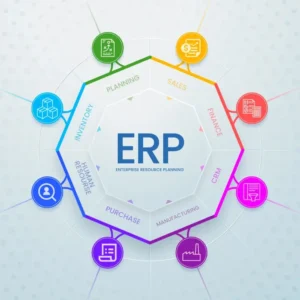
An advanced ERP system helps aerospace and electronics manufacturing companies connect their production, inventory, supply chain, quality management, finance, and workforce operations through a centralized platform. By providing real-time visibility and better control over business processes, ERP is becoming an essential technology for the future of aerospace manufacturing.
For companies looking to improve efficiency, reduce operational risks, and manage complex manufacturing requirements, ERP matters more than ever.
The Growing Complexity of Aerospace Manufacturing
Aerospace manufacturing is significantly different from many other manufacturing industries. Every component must meet strict requirements related to quality, performance, safety, and traceability.
Manufacturers often need to manage thousands of individual parts and components during the production of aircraft systems and electronic equipment. A single production process may involve multiple suppliers, engineering teams, manufacturing units, quality control teams, and logistics partners.
Managing Complex Bills of Materials
Aerospace products typically require highly detailed Bills of Materials (BOMs). Each component must be accurately tracked throughout the manufacturing process.
An effective ERP for aerospace manufacturing helps companies manage:
- Multi-level Bills of Materials
- Component specifications
- Engineering changes
- Material requirements
- Production schedules
- Inventory availability
- Supplier information
Centralized BOM management reduces the risk of using incorrect or outdated information during production.
Improving Manufacturing Visibility
Without integrated systems, different departments may work with separate data sources. This can create communication gaps and delays in decision-making.
A centralized aerospace manufacturing ERP system provides real-time visibility into important business operations. Manufacturing teams can access updated information about production status, inventory levels, purchase orders, and resource availability from one platform.
This improved visibility helps organizations make faster and more informed decisions.
Why ERP Is Becoming Essential for Aerospace Manufacturers
The future of aerospace manufacturing depends heavily on digital transformation. Manufacturers need technologies that can connect every stage of their operations.
ERP serves as the foundation for this digital transformation by integrating important business functions.
Streamlining Production Planning
Production planning is one of the most critical areas of aerospace manufacturing. Delays in material availability, equipment scheduling, or workforce planning can impact the entire production timeline.
An ERP system helps manufacturers plan and manage production more effectively.
Key capabilities may include:
- Production scheduling
- Capacity planning
- Material requirement planning
- Work order management
- Shop floor tracking
- Resource allocation
By connecting production planning with inventory and procurement data, manufacturers can reduce unnecessary delays and improve operational efficiency.
Better Inventory Management
Aerospace manufacturers often manage expensive and highly specialized components. Maintaining too much inventory can increase storage costs, while insufficient inventory can delay production.
An ERP inventory management system helps businesses maintain better control over materials and components.
Manufacturers can monitor:
- Current stock levels
- Material movement
- Component availability
- Reorder requirements
- Supplier deliveries
- Warehouse locations
Real-time inventory visibility allows companies to make better purchasing decisions and reduce the risk of production interruptions.
ERP and Supply Chain Management in Aerospace
Supply chain management has become increasingly important in aerospace manufacturing. Companies often depend on suppliers located in different regions for specialized materials and components.
A delay from one supplier can potentially affect an entire production schedule.
Improving Supplier Management
ERP software helps aerospace companies maintain centralized supplier information. Procurement teams can monitor supplier performance, purchase orders, delivery schedules, and material availability.
This creates better communication between manufacturers and suppliers.
An integrated manufacturing ERP solution can help companies improve:
- Purchase order management
- Supplier communication
- Delivery tracking
- Material planning
- Procurement processes
- Cost management
Better supplier management helps manufacturers create stronger and more reliable supply chains.
Reducing Supply Chain Disruptions
Supply chain disruptions can significantly impact aerospace production. ERP systems provide greater visibility into material availability and supplier activity.
With real-time data, businesses can identify potential issues earlier and take corrective action. For example, if a supplier delivery is delayed, the company can review inventory availability or identify alternative procurement options.
This proactive approach helps reduce production downtime.
Quality and Compliance Management Through ERP
Quality is one of the most important priorities in aerospace manufacturing. Manufacturers must maintain strict quality processes and accurate documentation.
ERP technology can support quality management by connecting quality processes with production and inventory operations.
Improving Product Traceability
Traceability is essential when manufacturing aerospace components and electronic systems.
Companies need to know where materials originated, how components were processed, and where finished products were delivered.
An ERP system can help track information throughout the manufacturing lifecycle.
This may include:
- Material records
- Batch information
- Production history
- Quality inspection results
- Component movement
- Supplier details
Improved traceability helps manufacturers maintain greater control and quickly access important production information.
Managing Documentation More Efficiently
Aerospace manufacturing involves significant documentation. Engineering specifications, quality reports, production records, and supplier information must be properly managed.
ERP software helps centralize business and manufacturing information. Instead of searching through multiple systems or manual files, teams can access relevant information through a connected platform.
This can improve operational efficiency and reduce administrative workloads.
The Role of ERP in Aerospace Electronics Manufacturing
Electronics manufacturing is becoming increasingly important in the aerospace industry. Modern aircraft and aerospace systems depend on sophisticated electronics for communication, navigation, monitoring, and control.
Managing aerospace electronics manufacturing requires accurate component tracking and efficient production planning.
Managing Electronic Components
Electronic manufacturing companies often work with a large number of small and specialized components.
An ERP for electronics manufacturing can help businesses manage component inventory, procurement, production requirements, and supplier information.
Centralized data management reduces the possibility of inventory errors and improves planning accuracy.
Supporting Complex Manufacturing Processes
Aerospace electronics manufacturing may involve multiple stages, including assembly, testing, inspection, and quality verification.
ERP systems can connect these processes and provide better visibility throughout the production lifecycle.
This integration helps teams understand production progress and identify potential operational challenges.
Data-Driven Decision-Making for the Future
The future of aerospace manufacturing will increasingly depend on data.
ERP systems collect information from multiple business processes and provide a centralized view of operations. Managers can use this information to understand production performance, inventory usage, operational costs, and supply chain activity.
Real-Time Reporting and Analytics
Real-time reporting allows manufacturing leaders to make decisions based on current information rather than outdated reports.
ERP dashboards can provide insights into:
- Production performance
- Inventory levels
- Material requirements
- Supply chain activity
- Manufacturing costs
- Resource utilization
These insights help companies identify inefficiencies and improve their overall operations.
Supporting Digital Transformation in Aerospace Manufacturing
Digital transformation is changing the way aerospace companies design, manufacture, and manage products.
ERP provides a strong foundation for integrating digital technologies across the organization.
Modern ERP platforms can support connected manufacturing environments by integrating business operations and manufacturing data.
As companies adopt technologies such as automation, artificial intelligence, advanced analytics, and smart manufacturing systems, ERP can serve as a centralized system for managing information and processes.
This makes ERP an important part of the future of Industry 4.0 in aerospace manufacturing.
How Jurysoft ERP Supports Aerospace and Electronics Manufacturing
For aerospace and electronics manufacturing companies, managing complex operations requires more than traditional business software.
A specialized ERP solution can help organizations bring together important processes such as production planning, inventory management, procurement, supply chain management, and operational reporting.
Jurysoft provides ERP solutions for aerospace and electronics manufacturing companies, helping businesses improve visibility, streamline workflows, and manage complex manufacturing operations through an integrated platform.
With the right ERP technology, manufacturers can reduce manual processes, improve coordination between departments, and gain better control over critical business data.
As the aerospace industry continues to evolve, connected and data-driven manufacturing systems will become increasingly important.
Conclusion
The future of aerospace manufacturing will be shaped by innovation, automation, digital technologies, and smarter business processes. However, managing these advanced operations requires a strong technological foundation.
ERP systems help aerospace and electronics manufacturers connect production, inventory, procurement, supply chain, quality management, and business operations in one centralized environment.
From improving production planning and inventory control to supporting traceability and data-driven decision-making, ERP technology is becoming essential for manufacturers preparing for the future.
As aerospace manufacturing continues to become more complex, companies that invest in modern ERP solutions for aerospace and electronics manufacturing will be better positioned to improve efficiency, maintain operational visibility, and support sustainable growth.
To learn how Jurysoft can support your manufacturing operations with an integrated ERP solution, contact Jurysoft today.