Aerospace and electronics manufacturing industries operate within highly complex and demanding supply chains. Manufacturers must manage multiple suppliers, strict quality standards, engineering changes, inventory requirements, production schedules, regulatory documentation, and complete product traceability. Even a small delay or data error can affect production timelines, costs, and customer commitments. Implementing ERP in aerospace helps manufacturers streamline these processes through better data integration, production visibility, and supply chain coordination.
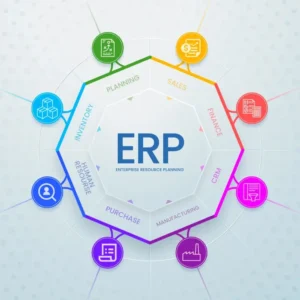
This is where ERP for aerospace and electronics manufacturing becomes essential. An integrated ERP system connects procurement, inventory, production, quality, finance, sales, and supply chain operations through a centralized platform. For companies such as Jurysoft’s manufacturing clients, ERP can help create a more connected, transparent, and efficient supply chain.
Understanding Aerospace and Electronics Supply Chain Management
The supply chain in aerospace and electronics manufacturing is more complicated than in many other industries. Components may come from multiple suppliers and pass through several stages before becoming part of a finished product.
Aerospace manufacturers must often maintain detailed records of materials, components, batches, serial numbers, inspections, and production processes. Electronics manufacturers face similar challenges involving component availability, supplier management, product revisions, quality control, and rapidly changing demand.
Traditional spreadsheets and disconnected systems can make it difficult to maintain accurate information across departments. An ERP system for manufacturing provides a centralized source of operational data.
Managing Multiple Suppliers
Manufacturers often depend on a large network of suppliers for raw materials, electronic components, specialized parts, and subcontracted processes. ERP software can help organizations maintain supplier information, purchase orders, delivery schedules, pricing, and quality records in one system.
This improves supplier visibility and helps purchasing teams make informed decisions based on availability, lead times, and supplier performance.
Improving Inventory Visibility
Inventory accuracy is critical in aerospace and electronics manufacturing. Excess inventory increases carrying costs, while shortages can stop production.
An aerospace manufacturing ERP can provide real-time visibility into raw materials, work-in-progress, finished goods, and critical components. Organizations can monitor stock levels and identify potential shortages before they affect production.
How ERP Improves Supply Chain Coordination
An ERP platform connects different departments and allows them to work with the same information. Instead of maintaining separate records for purchasing, production, inventory, quality, and finance, employees can access relevant information from a centralized system.
This connected approach improves communication and reduces manual data entry.
Procurement and Purchase Planning
ERP systems can support procurement by connecting material requirements with production plans and inventory levels. Purchasing teams can identify what materials are required, when they are needed, and how much should be ordered.
For aerospace and electronics companies, this can improve material requirement planning (MRP) and help reduce both stockouts and unnecessary purchasing.
Production Planning and Scheduling
Manufacturing schedules depend on material availability, machine capacity, workforce, customer orders, and production priorities. ERP software can bring these factors together to improve production planning.
With better visibility, manufacturers can track work orders, production progress, material consumption, and expected completion dates.
Quality Management
Quality is a major priority in aerospace and electronics manufacturing. ERP solutions can integrate quality checks into purchasing, production, and inventory processes.
Manufacturers can record inspection results, non-conformances, corrective actions, and quality approvals. This creates a more structured approach to quality management in aerospace manufacturing.
ERP and End-to-End Traceability
Traceability is one of the most important ERP capabilities for aerospace manufacturing. Manufacturers need to know where materials came from, how they were processed, where they were used, and which finished products contain them.
An ERP system can connect purchasing, inventory, production, inspection, and shipment records.
Batch and Serial Number Tracking
Batch and serial number management enables manufacturers to trace individual components or groups of materials throughout the production process.
This can be particularly valuable when investigating quality problems, responding to customer inquiries, or preparing for audits.
Digital Production Records
Instead of relying heavily on paper-based documentation, manufacturers can maintain digital production records. These records can include work orders, material usage, inspection results, approvals, and production activities.
This creates a more accessible and organized information trail.
Supporting Compliance and Audit Readiness
Aerospace manufacturers operate under strict regulatory and customer requirements. Maintaining accurate documentation is essential for demonstrating compliance.
An ERP for aerospace manufacturing can help centralize records and provide controlled access to important production and quality information.
Documentation Control
Engineering documents, purchase records, inspection reports, production records, and quality information can be connected to relevant processes. This makes it easier for authorized employees to retrieve required information.
Audit Preparation
When information is stored across spreadsheets, emails, and paper files, preparing for an audit can become time-consuming. A centralized ERP system can simplify the process by making relevant records easier to locate and review.
ERP for Electronics Manufacturing
Electronics manufacturers face unique supply chain challenges, including component shortages, changing product designs, supplier dependencies, and demand fluctuations.
An ERP for electronics manufacturing can help companies manage these challenges by connecting procurement, inventory, production, quality, and sales information.
Managing Engineering Changes
Electronics products can undergo frequent design and specification changes. ERP systems can help organizations maintain better control over product versions, bills of materials, and production requirements.
This reduces the risk of manufacturing products using outdated information.
Handling Component Shortages
Semiconductor and electronic component shortages can significantly affect production schedules. ERP software provides visibility into inventory, open purchase orders, supplier lead times, and material requirements.
This allows teams to identify supply risks earlier and explore alternative purchasing or production strategies.
Benefits of ERP-Based Supply Chain Management
Implementing ERP can provide several advantages for aerospace and electronics manufacturers.
Improved Operational Visibility
Decision-makers can access information about inventory, production, purchasing, orders, and quality from a connected system. This enables faster and more informed decisions.
Reduced Manual Work
Automating repetitive processes such as purchase orders, inventory updates, production tracking, and reporting can reduce administrative workload and data-entry errors.
Better Inventory Control
Real-time inventory information helps organizations maintain appropriate stock levels while reducing excess and obsolete inventory.
Faster Decision-Making
Centralized data allows management teams to monitor key operational information without waiting for multiple departments to prepare separate reports.
Stronger Supply Chain Collaboration
ERP improves coordination between procurement, suppliers, production, quality, sales, and finance. Better communication helps organizations respond more effectively to supply chain changes.
Choosing the Right ERP for Aerospace and Electronics Manufacturing
Not every ERP system is designed for complex manufacturing environments. Aerospace and electronics companies should evaluate ERP solutions based on their specific operational and compliance requirements.
Important capabilities include:
- End-to-end material traceability
- Batch and serial number tracking
- Production planning and scheduling
- Bill of Materials management
- Inventory management
- Procurement and supplier management
- Quality management
- Engineering change management
- Digital production records
- Compliance documentation
- Real-time reporting and analytics
- Role-based access and data security
The ERP should also be scalable enough to support future production growth and changing business requirements.
The Future of Aerospace and Electronics Supply Chains
Modern manufacturing is moving toward connected, data-driven operations. ERP systems are becoming an important foundation for this transformation by bringing operational information into one connected environment.
When integrated with technologies such as automation, analytics, IoT, and cloud platforms, ERP can provide deeper visibility into production and supply chain performance.
For aerospace and electronics manufacturers, the goal is not simply to digitize existing processes. It is to create a more connected operation where accurate information is available at the right time for better planning, production, quality, and decision-making.
Conclusion
The role of ERP in aerospace and electronics supply chain management goes far beyond basic resource planning. It helps manufacturers connect procurement, inventory, production, quality, finance, and supply chain activities while improving visibility and traceability.
For organizations dealing with complex production requirements, strict quality standards, and demanding supply chains, ERP for aerospace and electronics manufacturing can provide the digital foundation needed to improve efficiency, control, compliance, and scalability.
With the right ERP solution, manufacturers can replace disconnected processes with a centralized, data-driven workflow that supports more reliable and efficient operations.