The aerospace industry is one of the most demanding manufacturing sectors in the world. Every component, assembly, and finished product must meet strict quality standards, regulatory requirements, and customer expectations. Unlike general manufacturing, aerospace production involves complex engineering processes, extensive documentation, long production cycles, and complete traceability of materials and components.
Managing these operations using spreadsheets, disconnected software, or a generic ERP solution often leads to production delays, compliance issues, inventory inaccuracies, and higher operational costs. This is why many aerospace manufacturers are moving toward industry-specific ERP system hat are designed to handle the unique challenges of aerospace manufacturing.
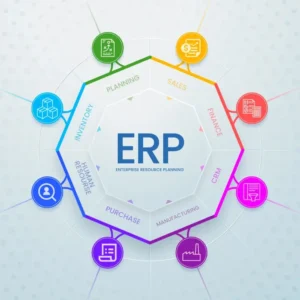
An industry-specific ERP system integrates production planning, inventory management, procurement, quality control, finance, compliance, and supply chain operations into a single platform. It helps manufacturers improve efficiency, maintain regulatory compliance, and gain complete visibility across their operations.
What Is an Industry-Specific ERP System?
An industry-specific ERP (Enterprise Resource Planning) system is designed to address the unique operational requirements of a particular industry instead of offering only generic business functions.
For aerospace manufacturers, an ERP system includes specialized capabilities such as:
- Production planning
- Bill of Materials (BOM) management
- Engineering change management
- Material traceability
- Supplier management
- Inventory control
- Quality inspections
- Compliance documentation
- Project costing
- Procurement management
- Shop floor monitoring
Unlike traditional ERP software, an aerospace ERP solution is built to support highly regulated manufacturing environments where accuracy and traceability are critical.
Why Generic ERP Systems Are Not Enough
Many businesses initially implement a general ERP solution expecting it to support every manufacturing process. However, aerospace manufacturing involves complexities that generic ERP software cannot efficiently manage.
Common challenges include:
- Multi-level Bill of Materials
- Strict quality control procedures
- Component serialization
- Lot tracking
- Long manufacturing cycles
- Regulatory documentation
- Supplier certifications
- Engineering revisions
- Customer-specific production requirements
Without specialized functionality, manufacturers often rely on manual processes, increasing the risk of errors and production delays.
Benefits of an Industry-Specific ERP System
Complete Production Visibility
Aerospace manufacturers handle thousands of parts, assemblies, suppliers, and production stages.
An ERP system provides real-time visibility into:
- Production schedules
- Machine utilization
- Work orders
- Material availability
- Job status
- Resource allocation
Managers can quickly identify production bottlenecks and make informed decisions to improve efficiency.
Better Inventory Management
Inventory is one of the largest investments for aerospace manufacturers.
Industry-specific ERP software helps businesses:
- Monitor stock levels in real time
- Track raw materials
- Reduce excess inventory
- Prevent stock shortages
- Automate material replenishment
- Optimize warehouse operations
Better inventory control leads to reduced carrying costs and improved production planning.
End-to-End Traceability
Traceability is essential in aerospace manufacturing.
Every material and component must be traceable from procurement to the final product.
An aerospace ERP system enables:
- Lot tracking
- Serial number tracking
- Batch management
- Material history
- Supplier traceability
- Production records
Complete traceability simplifies audits and improves product quality.
Improved Quality Management
Quality failures can have significant financial and operational consequences.
Industry-specific ERP software includes integrated quality management features such as:
Incoming Material Inspection
Raw materials are inspected before entering production.
In-Process Quality Checks
Quality inspections are performed during manufacturing.
Final Product Inspection
Finished products are verified before delivery.
Non-Conformance Management
The ERP system records defects, corrective actions, and preventive measures.
These features help manufacturers maintain consistent product quality while reducing defects.
Simplified Regulatory Compliance
Aerospace manufacturing requires compliance with strict industry regulations and customer standards.
An industry-specific ERP system helps manufacturers maintain documentation for:
- Production records
- Inspection reports
- Supplier certifications
- Material certificates
- Calibration records
- Engineering revisions
- Audit trails
Centralized documentation makes compliance audits faster and more accurate.
Efficient Supply Chain Management
The aerospace supply chain includes multiple suppliers, subcontractors, logistics partners, and manufacturing facilities.
ERP software improves supply chain operations by providing:
- Supplier performance monitoring
- Purchase order automation
- Vendor management
- Delivery tracking
- Procurement planning
- Material availability forecasting
Improved coordination reduces procurement delays and minimizes production interruptions.
Better Production Planning
Production planning in aerospace manufacturing involves complex scheduling and resource management.
An ERP system helps businesses:
- Schedule work orders
- Allocate machines
- Plan labor requirements
- Manage production capacity
- Optimize manufacturing workflows
Accurate planning improves productivity and ensures timely project completion.
Engineering Change Management
Engineering changes are common in aerospace manufacturing.
Without a centralized system, design revisions can create confusion and production errors.
An ERP solution manages:
- Engineering revisions
- Document version control
- Updated Bills of Materials
- Change approvals
- Production synchronization
This ensures manufacturing always follows the latest approved designs.
Real-Time Reporting and Analytics
Modern ERP systems provide dashboards and reports that help management monitor business performance.
Examples include:
- Production efficiency
- Inventory turnover
- Supplier performance
- Manufacturing costs
- Work order status
- Quality metrics
- Financial performance
Real-time insights support faster and more accurate decision-making.
Key Features Every Aerospace ERP Should Include
When selecting an ERP solution, aerospace manufacturers should look for features such as:
Manufacturing Management
- Production scheduling
- Work orders
- Shop floor control
- Capacity planning
Inventory Control
- Warehouse management
- Stock visibility
- Lot tracking
- Serial tracking
Procurement
- Vendor management
- Purchase orders
- Supplier performance
- Material planning
Quality Management
- Inspection management
- Non-conformance tracking
- CAPA management
- Quality reporting
Finance
- Budgeting
- Cost accounting
- Project costing
- Financial reporting
Document Management
- Engineering drawings
- Compliance documents
- Digital approvals
- Audit records
Why Cloud-Based ERP Is Becoming Popular
Cloud ERP solutions offer several advantages over traditional on-premise systems.
These include:
- Remote access
- Automatic software updates
- Improved data security
- Lower IT infrastructure costs
- Faster deployment
- Scalability for growing businesses
Cloud ERP also enables better collaboration between manufacturing plants, suppliers, and management teams.
How ERP Supports Business Growth
As aerospace companies expand, operational complexity increases.
Industry-specific ERP systems support growth by helping businesses:
- Scale production
- Manage multiple facilities
- Improve customer service
- Increase operational efficiency
- Reduce manual processes
- Improve profitability
A centralized ERP platform ensures all departments work with the same real-time information, reducing communication gaps and operational inefficiencies.
Choosing the Right ERP Partner
Selecting the right ERP software is as important as selecting the right implementation partner.
When evaluating ERP providers, consider:
- Aerospace industry expertise
- Customization capabilities
- Integration options
- Scalability
- User-friendly interface
- Implementation support
- Training services
- Ongoing technical support
A partner with manufacturing expertise can tailor the ERP system to your business processes and help ensure a successful implementation.
Conclusion
The aerospace industry demands precision, traceability, quality, and compliance at every stage of manufacturing. Generic business software often cannot meet these specialized requirements, resulting in operational inefficiencies and increased risk.
An industry-specific ERP system provides the tools needed to streamline production planning, manage inventory, improve quality control, maintain regulatory compliance, and optimize supply chain operations. By integrating all critical business functions into one platform, aerospace manufacturers gain greater visibility, improve decision-making, and build a stronger foundation for long-term growth.
Whether you manufacture aircraft components, precision assemblies, avionics, or specialized aerospace equipment, investing in an ERP solution designed for aerospace manufacturing can help improve efficiency, reduce operational costs, and support sustainable business success.