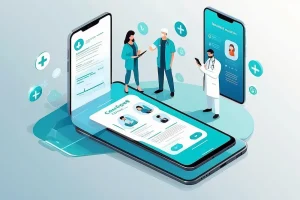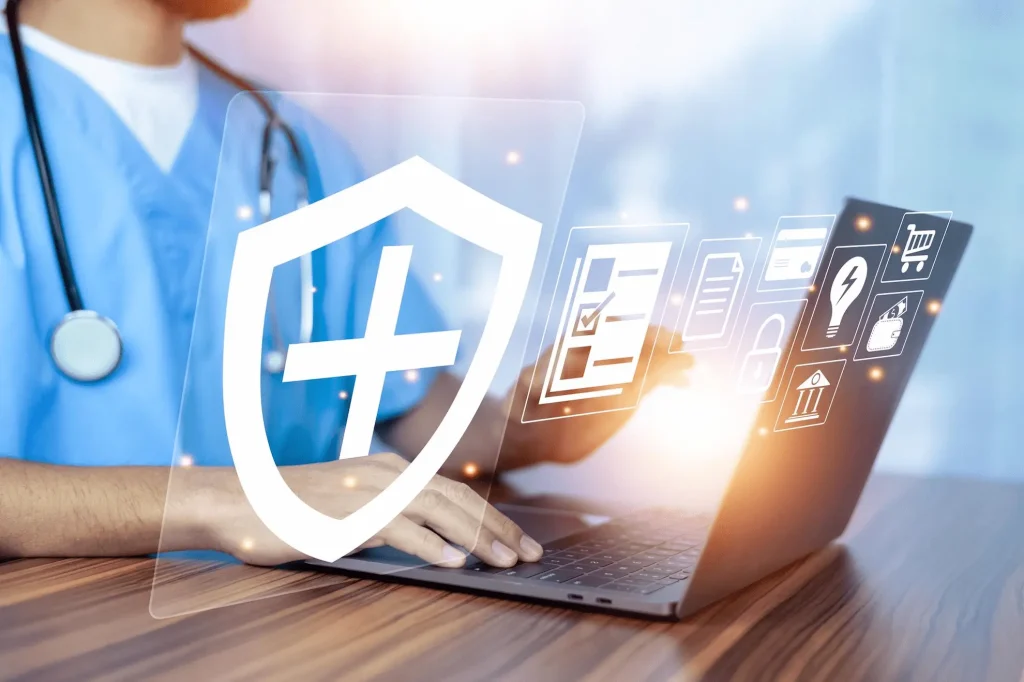
In the digital health era, healthcare app security is no longer optional — it is the foundation of trust between hospitals, patients, clinics, and technology providers. With sensitive medical information being stored and transmitted through mobile apps, even a small security gap can result in data breaches, financial loss, and legal compliance issues.
Today, healthcare organizations need secure, scalable, and compliance-ready mobile solutions. This is where robust healthcare app development practices become essential to protect Electronic Health Records (EHRs), patient histories, diagnostic data, and real-time monitoring insights.
This guide highlights the best security practices every healthcare app must follow to ensure airtight data protection and proactive threat prevention.
Why Healthcare App Security Matters
Healthcare apps handle some of the most sensitive data categories:
- Personal identification data
- Medical records and reports
- Lab results
- Insurance information
- Prescription history
- Real-time biometric data from wearables and IoT devices
Because of this, healthcare apps are top targets for cybercriminals. A single breach can lead to:
- Exposure of patient records
- Legal penalties
- Loss of reputation
- Data manipulation and identity fraud
- Operational disruption
Secure healthcare app development ensures the system remains protected from unauthorized access, malware, and sophisticated cyber-attacks.
Best Practices for Healthcare App Security
1. Implement End-to-End Encryption
All sensitive data must be encrypted both in transit and at rest.
This prevents attackers from accessing readable information even if a breach occurs.
Key practices:
- Use TLS 1.2+ for all transmissions
- Apply AES-256 encryption for stored medical data
- Use secure key management policies
2. Enable Multi-Factor Authentication (MFA)
A strong authentication process reduces the risk of unauthorized access.
Recommended methods include:
- OTP-based verification
- Biometric login (fingerprint, face ID)
- Email or app-based authentication
- Hardware tokens for admin-level access
MFA adds a vital security layer to healthcare mobile apps used by doctors, patients, and staff.
3. Strict Access Controls & Role-Based Authorization
Healthcare apps require different access levels for patients, nurses, doctors, and administrators.
Use role-based access control (RBAC) to:
- Restrict sensitive features
- Prevent unauthorized data viewing
- Separate patient and admin dashboards
- Log user actions for auditing
This ensures that only authorized personnel are accessing sensitive medical information.
4. Secure API Communication
APIs are the backbone of modern healthcare app development, especially for integrations like EHR systems, IoT devices, telemedicine platforms, and insurance databases.
To secure APIs:
- Use token-based authentication
- Implement API gateways
- Validate and sanitize inputs
- Use rate limiting to prevent DDoS attacks
5. HIPAA-Compliant Data Protection Standards
If the app handles patient data, it must follow international healthcare compliance standards such as:
- HIPAA (USA)
- GDPR (Europe)
- HL7 & FHIR protocols
- ISO 27001 security standards
Compliance ensures:
- Secure data storage
- Proper logging and monitoring
- Patient consent management
- Ethical and legal governance
6. Regular Security Audits & Penetration Testing
Cyber threats evolve quickly. Regular audits help uncover vulnerabilities before attackers do.
Include:
- Static code analysis
- Dynamic vulnerability scanning
- Penetration testing
- Third-party security audits
This improves the long-term security posture of the healthcare system.
7. Data Backup, Recovery & Disaster Preparedness
Healthcare apps must have:
- Encrypted automated backups
- Multi-location data storage
- Recovery plans for service continuity
This prevents data loss due to system failures or cyber-attacks.
8. Protect Wearable & IoT Integrations
Remote patient monitoring apps often connect with:
- Heart-rate monitors
- Glucose sensors
- Fitness trackers
- Smart medical devices
Standard practices:
- Use secure BLE communication
- Encrypt synced health data
- Implement secure pairing
- Prevent unauthorized device access
This is essential to protect real-time biometric data.
9. Use Secure Cloud Infrastructure
Cloud-native healthcare apps should rely on secure providers such as AWS, Azure, or Google Cloud with:
- Encrypted storage
- Identity access management
- Regular patching
- Compliance certifications (HIPAA/HITRUST)
Cloud security helps maintain reliability, scalability, and global accessibility.
10. Build Secure Admin Dashboards
Admin panels handle the highest level of access.
Security practices include:
- IP whitelisting
- Activity logs
- Real-time threat alerts
- Secure password policies
- Session timeouts
A secure backend is the backbone of a safe healthcare application.
Threat Prevention in Healthcare Apps
To actively prevent cyber threats, apps must include:
✔ Real-time intrusion detection
Monitors unusual access patterns and flags suspicious behavior.
✔ Anti-malware protection
Prevents malicious payloads from entering the system.
✔ Secure coding practices
Avoids vulnerabilities such as SQL injection, cross-site scripting, and insecure deserialization.
✔ Continuous monitoring
Keeps the clinical environment safe from emerging cyber risks.
Conclusion
In a world where digital healthcare is becoming the new normal, healthcare app security must remain the highest priority. Secure coding, data encryption, compliance, and continuous monitoring are essential pillars to building trustworthy medical applications.
Jurysoft specializes in creating secure, scalable, and compliance-ready healthcare apps designed to protect sensitive medical data, streamline workflows, and deliver reliable digital health experiences.