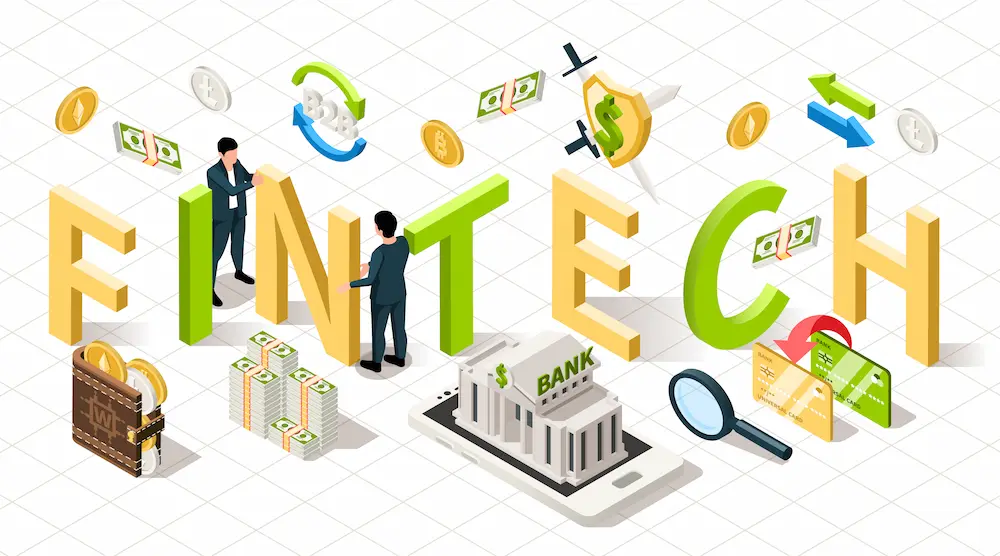
Fintech applications have, in a way, become the heart of digital transformation, and their presence in the financial sector has never been as pronounced as it is currently. The whole financial services industry is being transformed by fintech apps. However, if the app is going to be a financial success, it needs more than just looks. Security, speed, and scalability are the main criteria on which an app’s success and user dependability will be measured. Partnering with a reliable Fintech App Development Company ensures that these critical aspects are carefully implemented, delivering a secure, high-performance, and scalable application.
Jurysoft, one of the best companies developing fintech apps in Bangalore, is known for providing complete fintech solutions. That’s why we expose practical tips and the expert’s insights to build secure, high-performance and scalable fintech apps.
Understanding Fintech App Development
Fintech app development is a process of the design, building, and maintenance of the apps that offer financial services. These applications serve various sectors like banks, payment companies, investment platforms, and even startups, and they come with multiple features such as digital transactions, management of accounts, tracking of personal finance, etc., among others.
Key aspects of fintech mobile app development include:
- Security: Safeguarding confidential financial and personal information.
- User Experience: Designing user-friendly and smooth interfaces.
- Regulatory Compliance: Adhering to legal requirements like PCI DSS, GDPR, and RBI guidelines.
- Performance: Guaranteeing quick transaction processing and real-time data updates.
For businesses aiming to offer financial services via apps, partnering with the best fintech app developers is essential to achieve these objectives efficiently.
Security Tips for Fintech Application Development
Security is undoubtedly the mainstay of every fintech application. Just one weakness in the system can result in enormous financial losses and also tarnish the company’s reputation. Below are some important techniques:
1. Implement End-to-End Encryption
- Encrypt all data, both at rest and in transit.
- Use protocols like TLS/SSL for secure communication between the client and server.
- Example: A digital wallet app encrypts transaction data to prevent interception by unauthorized parties.
2. Multi-Factor Authentication (MFA)
- To make more secure the login process, it is necessary to integrate passwords with one-time passwords, biometrics, or hardware tokens.
- For instance, the banking applications of ICICI and HDFC require a fingerprint or OTP to be verified for logging in and transferring money.
3. Regular Security Audits
- Conduct penetration testing and vulnerability assessments periodically.
- Engage professional security experts to simulate real-world attacks.
- Example: Investment platforms often undergo quarterly security reviews to prevent fraud.
4. Compliance with Regulations
- Follow PCI DSS for payment data, GDPR for user privacy, and RBI guidelines for fintech services in India.
- Ensure that data storage, processing, and sharing meet regulatory standards.
5. Fraud Detection Systems
- Integrate AI-based fraud detection algorithms to monitor unusual transactions.
- Example: Fintech apps use machine learning to detect patterns of fraudulent activity in real time.
Speed Optimization in Fintech App Development
Speed is a critical factor that directly affects user satisfaction and retention. Slow apps lead to abandoned transactions and negative reviews.
Tips to Ensure High Performance
- Efficient Backend Architecture: Make use of microservices to enable the independent management of several functionalities.
- Caching Strategies: Apply caching techniques to lighten the burden on the server and to enhance the response time.
- Optimized Database Management: Take advantage of indexing, query optimization, and using NoSQL databases when it is suitable.
- Lightweight UI/UX Design: Limit the use of animations and heavy graphics for quicker loading time.
Example: A mobile payment app can leverage in-memory databases and caching to process hundreds of transactions per second without delay.
Scalability in Fintech Mobile App Development
Scalability ensures that your app can handle increased user load and growing transaction volumes without performance issues.
Tips for Scalable Fintech App Development
- Cloud Infrastructure: Deploying on scalable cloud platforms such as AWS, Azure, or Google Cloud.
- Horizontal Scaling: More servers can be added to cope with the rising traffic.
- Load Balancing: Traffic distribution should be done evenly to avoid server crashes.
- Modular Architecture: Create separate modules to make the growth, updates, and features integration process easier.
Example: Peer-to-peer lending apps experience high traffic during payday weeks. Scalable architecture ensures smooth operations without downtime.
Choosing the Right Fintech App Development Company
Selecting the right fintech app development company is crucial for delivering a reliable, secure, and scalable application.
Factors to Consider
- Experience: Seek out firms that have successfully delivered fintech solutions in the past.
- Technical Expertise: Verify that they have proficiency in the latest technologies such as blockchain, AI, and cloud computing.
- Custom Solutions: The provider should adapt solutions to fit your business goals instead of providing one-size-fits-all apps.
- Post-Launch Support: Fintech apps require constant maintenance, updates, and monitoring.
Example: Jurysoft, a fintech mobile app development company in Bangalore, has helped multiple startups and enterprises launch secure, high-performance applications, emphasizing user experience and compliance.
Best Practices for Fintech Application Development
Here are some actionable tips for businesses planning to develop a fintech application:
- Begin with MVP (Minimum Viable Product): First, release the simplest version, get the feedback, and then improve features.
- User Experience First: Make the processes of registration, payment, and account management easier.
- Implement Analytics: The use of analytics will help you keep track of usage patterns, find out about issues, and improve performance.
- Updates on a Regular Basis: Bugs fixing, new feature adding, and security making stronger will be done through continuous updates.
- Third-Party API Integration: APIs for payments, KYC verification, or credit scoring will be integrated safely in order to improve the system’s functionality.
Example: Neo-banking apps often start with core services like account management and payments and gradually add features like investments, loans, and rewards.
Conclusion
Creating a fintech application with the characteristics of being secure, quick, and scalable involves meticulous planning, technical know-how, and compliance with the highest industry standards. Achieving this by introducing strong security protocols, improving efficiency, and planning for future growth allows companies to provide financial services that are trustworthy and can gain users’ confidence.
Having a partnership with a reputable fintech app development firm like Jurysoft can make it easier for you to overcome these obstacles. Jurysoft’s seasoned fintech app developers, cutting-edge technologies, and a customer-focused approach will ensure that your fintech application not only achieves business goals but also meets user expectations.
Make sure to consider the idea of a fintech app that is not only high-performing but also secure and contact Jurysoft today to initiate the process.