Teletherapy has become a major player in providing mental health support in the past few years. It has been a bridge between patients and therapists. The worldwide market for teletherapy services is mushrooming very fast and slowly but surely taking over the traditional ways of providing mental health care. A company that wants to invest in mental health technology will have to be very watchful and stay ahead of the competition.
Through this post, we will look at the most significant teletherapy application development trends in 2026 and the ways a good teletherapy app development firm can help you up your healthcare service.
The Rise of Teletherapy and Its Importance
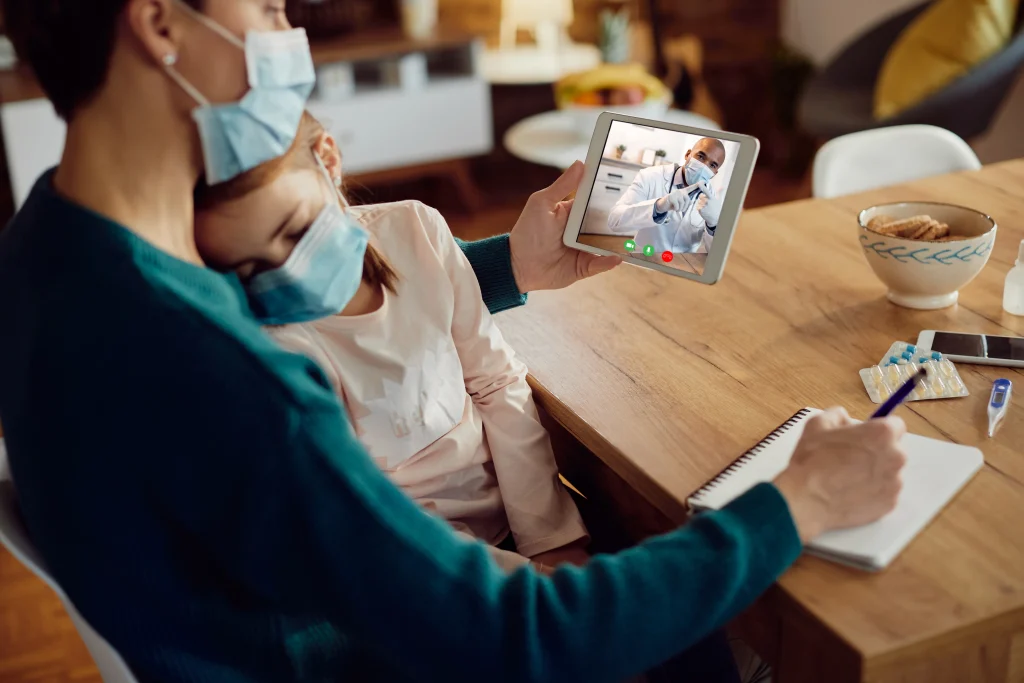
Teletherapy refers to the application of technology for remote therapy services. Patients can now easily reach out to their therapists via the internet and smartphones even from their living rooms. The comfort, confidentiality, and availability of teletherapy have turned it into a must-have service, particularly in cities like Bangalore where it is difficult to get to the psychologist.
Why teletherapy matters for businesses and healthcare providers:
- Patient reach is extended beyond the limits set by geography.
- Physical clinics’ costs are significantly reduced.
- Both therapists and patients can choose their own schedules.
- Patient involvement is improved through the use of interactive app features.
The growing need for teletherapy has led to the development of more innovative applications, as companies are now looking for tailored solutions that are in line with the expectations of today’s patients.
Key Trends in Teletherapy App Development in 2026
1. AI-Driven Mental Health Support
Artificial Intelligence (AI) is revolutionizing teletherapy. Modern teletherapy app developers are integrating AI tools to provide instant support, predictive analytics, and personalized care plans.
Examples:
- Chatbots for initial patient assessment.
- AI-driven mood tracking and analysis.
- Predictive models to suggest therapy modules based on user behavior.
The virtual-therapy mobile app’s development firm can leverage artificial intelligence (AI) to deliver better results to the patient and enhance efficacy of the therapist.
2. Integration of Virtual Reality (VR) Therapy
Virtual Reality is not solely restricted to gaming anymore. By 2026, VR technology is being applied in teletherapy application development to provide immersive therapy experiences.
Benefits of VR in teletherapy apps:
- Exposure therapy for anxiety, phobias, and PTSD.
- Relaxation and mindfulness exercises in immersive environments.
- Interactive sessions that increase patient engagement.
Companies investing in VR-enabled teletherapy solutions are offering a competitive edge in the healthcare market.
3. Focus on Data Security and Privacy
The data of mental health is very sensitive. Patients require the utmost confidentiality which turns security into a major concern for the developers of teletherapy applications.
Trends include:
- End-to-end encryption of therapy sessions.
- Secure storage of patient data in compliance with HIPAA and GDPR standards.
- Multi-factor authentication for users and therapists.
Prioritizing data security builds trust and enhances the credibility of teletherapy services.
4. Personalized Therapy Programs
The expectations of patients have transcended generic solutions in today’s world. Developers of teletherapy applications are concentrating on providing individualized therapy experiences.
How personalization is achieved:
- AI-driven recommendations for therapy modules.
- Tailored progress tracking dashboards.
- Customizable session schedules and reminders.
Personalized therapy programs lead to higher engagement and better therapeutic outcomes, making it a critical trend for 2026.
5. Integration with Wearable Devices
Wearable devices including smartwatches and fitness trackers are making their way into the development of teletherapy mobile applications to keep track of both physical and mental health parameters.
Key integrations:
- Heart rate and sleep tracking for stress analysis.
- Activity tracking to monitor mood changes.
- Notifications and reminders based on real-time data.
By leveraging wearable technology, teletherapy apps can provide holistic care that goes beyond traditional therapy sessions.
6. Gamification and Interactive Features
Gamifying is the latest popular practice in the design of tele-healthcare applications for patient engagement and motivation.
Examples of gamification in teletherapy apps:
- Reward systems for completing therapy exercises.
- Interactive quizzes to monitor progress.
- Virtual achievements and badges for milestones.
These features make therapy more engaging, especially for younger users, improving adherence and outcomes.
7. Multi-Language and Regional Accessibility
The global expansion of teletherapy services has led to the development of apps by teletherapy app developers that not only support multiple languages but also take into account regional preferences.
Benefits:
- Expands patient reach across different regions.
- Makes therapy accessible to non-English speakers.
- Encourages cultural sensitivity in therapy sessions.
Multi-language support ensures that mental health services are inclusive and widely accessible.
8. Teletherapy for Corporate Wellness
More and more organizations are putting their money on mental health of employees. One of the latest with companies’ interests is the teletherapy mobile app development, featuring the focused-on-corporate attributes:
- On-demand therapy for employees.
- Confidential mood and stress tracking dashboards.
- Group therapy or wellness programs for teams.
By targeting corporate wellness, teletherapy apps are tapping into a high-demand segment, creating new business opportunities.
Tips for Choosing the Right Teletherapy App Development Company
One major step to developing an effective app would be by working with a knowledgeable teletherapy platform development organization. Here are some suggestions to follow:
- Healthcare apps expertise: Verify that the company has the know-how to develop secure and privacy-compliant applications.
- Customizable solutions: Only consider those companies that can provide that sort of app with broad and tailored features.
- Integration capabilities: Pick the developers who are able to combine the technologies like AI, VR, wearables, and analytics without any trouble.
- User experience focus: The application has to be very user-friendly and straightforward for both patients and therapists to use and explore.
- Support and maintenance: Constantly available support after the launch gives the app a lifespan and periodic updates as along as the app’s support and maintenance.
Conclusion
Teletherapy is influencing the future of mental health care, making it more accessible, personalized, and attractive. In the year 2026, the trends such as AI-, VR-, wearable-, gamification-, and corporate health are the main factors that boost the tele-therapy apps development. The collaboration with highly skilled teletherapy app developers and the investment in the teletherapy mobile app development will enable the companies to provide innovative, secure, and highly effective solutions that will satisfy the demand for remote mental health services.
For organizations located in Bangalore and other places, Jurysoft is a teletherapy app development company that provides up-to-date solutions integrating technology, security, and user-centered design. Let Jurysoft know about your teletherapy app dream and they will show you how it can become a reality!.