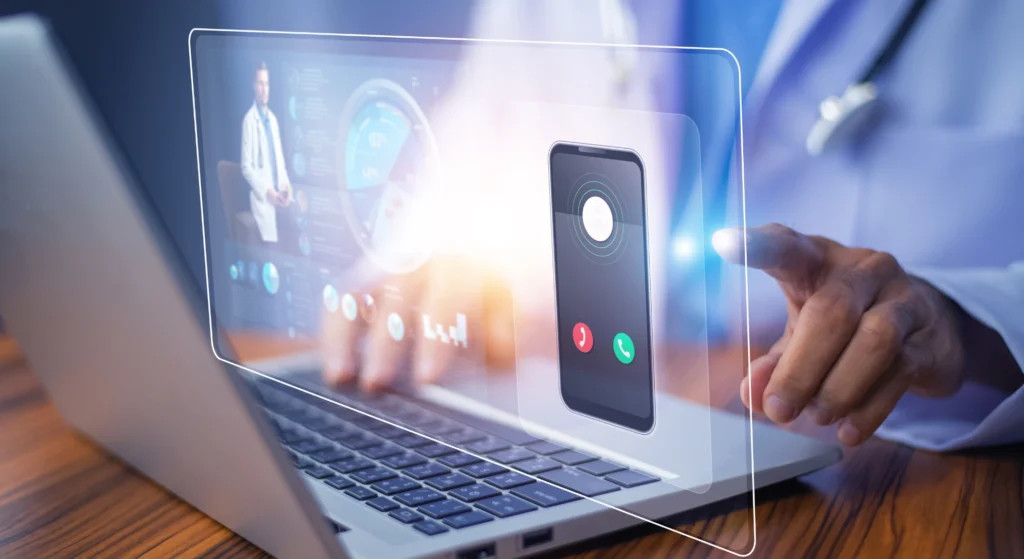
Healthcare Apps are redefining how clinics, hospitals, and medical professionals communicate—both internally and with patients. Traditional communication methods in healthcare often rely on manual processes, outdated systems, and fragmented channels, which lead to delays, errors, and frustrated patients. As the demand for seamless digital healthcare grows, modern solutions like Healthcare Apps have become essential for building efficient and reliable communication workflows.
In this blog, we’ll explore why traditional communication fails in healthcare, how Healthcare Apps resolve these challenges, and why partnering with a trusted Healthcare App development company in Bengaluru can help healthcare providers optimize every touchpoint.
Why Traditional Healthcare Communication Breaks Down
1. Overreliance on Manual Processes
Many healthcare facilities still depend on phone calls, handwritten notes, and paper records. This increases the chances of miscommunication, lost information, and human error. Manuals systems lack speed and accuracy—two critical elements in healthcare.
2. No Centralized Patient Data
When medical records are scattered across departments or stored in physical files, accessing patient information becomes slow and inefficient. Doctors often have to wait for files, reports, or updates, leading to delayed decisions and slower patient care.
3. Limited Staff Coordination
Nurses, doctors, administration, and lab teams frequently face communication delays. Without a centralized communication platform, updates on patient status, report availability, or emergencies do not reach the right people on time.
4. Slow Patient Communication
Traditional methods like phone calls or SMS do not guarantee immediate response or tracking. When appointment reminders, report updates, or prescription notes are delayed, patients experience confusion and unnecessary waiting.
5. Lack of Real-Time Updates
Healthcare is time sensitive. Delays—even by minutes—can disrupt patient flow or medical procedures. Traditional systems fail to provide real-time updates, causing inefficiencies throughout the patient’s journey.
How Healthcare Apps Streamline Communication
1. Centralized Digital Communication
Healthcare Apps serve as a single platform where doctors, staff, and patients communicate instantly. This eliminates fragmented channels and ensures all updates, alerts, and information flow seamlessly.
Leading Healthcare App developers in Bengaluru now build platforms that combine messaging, alerts, file sharing, and patient tracking into one interface, reducing delays significantly.
2. Instant Access to Patient Records
Digital health records stored within Healthcare Apps allow providers to retrieve patient history, prescriptions, and reports instantly. This accelerates diagnosis, improves accuracy, and ensures continuity of care.
3. Real-Time Notifications and Alerts
Healthcare Apps can send automatic alerts for:
- appointment confirmations
- lab report availability
- doctor delays
- medication reminders
- emergency notifications
Real-time communication keeps both patients and staff updated at every step.
4. Streamlined Internal Coordination
Healthcare App development enables hospitals to digitize internal workflows. Staff can update patient movement, share test results, request support, or escalate emergencies through the app. This enhances teamwork and reduces internal delays.
5. Secure Messaging Between Doctor and Patient
Healthcare Apps offer encrypted, secure chat features that allow patients to communicate with doctors without needing to visit the clinic. This improves accessibility and reduces unnecessary appointments.
6. Teleconsultation for Quick Care
Telemedicine inside Healthcare Apps minimizes physical visits. Patients can consult doctors online, share symptoms, or submit reports digitally saving time for both providers and patients.
7. Automated Reminders and Follow-Ups
Automated follow-up reminders ensure patients don’t miss appointments or medication schedules. This not only improves patient outcomes but also reduces administrative workload.
Why Clinics Should Invest in Healthcare App Development
Healthcare providers are rapidly adopting digital tools to stay competitive and deliver seamless care. Investing in modern Healthcare App development comes with long-term advantages such as:
- improved staff productivity
- streamlined patient communication
- lower administrative costs
- fewer no-shows and missed follow-ups
- higher patient satisfaction
- faster operational workflows
With the growing ecosystem of Healthcare App developers in Bengaluru, clinics and hospitals now have access to highly skilled teams capable of building secure, scalable, and customized solutions.
The Role of a Healthcare App Development Company in Bengaluru
A professional Healthcare App development company in Bengaluru, such as Jurysoft, understands the unique workflows and challenges of the healthcare industry. They focus on creating apps that integrate seamlessly with hospital operations, ensuring strong security, high performance, and long-term scalability.
Such companies provide:
- user-friendly interfaces
- secure patient data management
- telemedicine platforms
- end-to-end workflow integration
- HIPAA-compliant communication tools
This level of expertise ensures clinics and hospitals receive a solution that is both technologically advanced and medically relevant.
Conclusion: Healthcare Apps Are the Future of Smooth Communication
In traditional healthcare systems, communication breakdowns can result in a series of problems such as delays in treatments, mistakes in diagnoses, and poor patient experiences. On the other hand, Healthcare Apps provide the benefit of having better communication, real-time updates, more organized workflows, and quick connections between patients and doctors.
Healthcare providers who want to upgrade their operations and give quicker and more efficient care should make the right choice of collaborating with a reputable Healthcare App development company in Bengaluru. This partnership will give them the chance to create a digital ecosystem that is ready for the future.