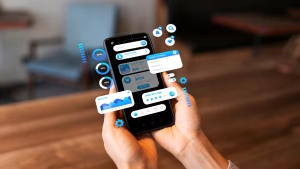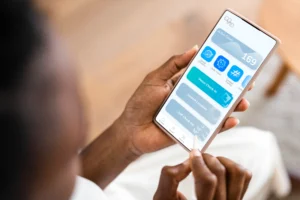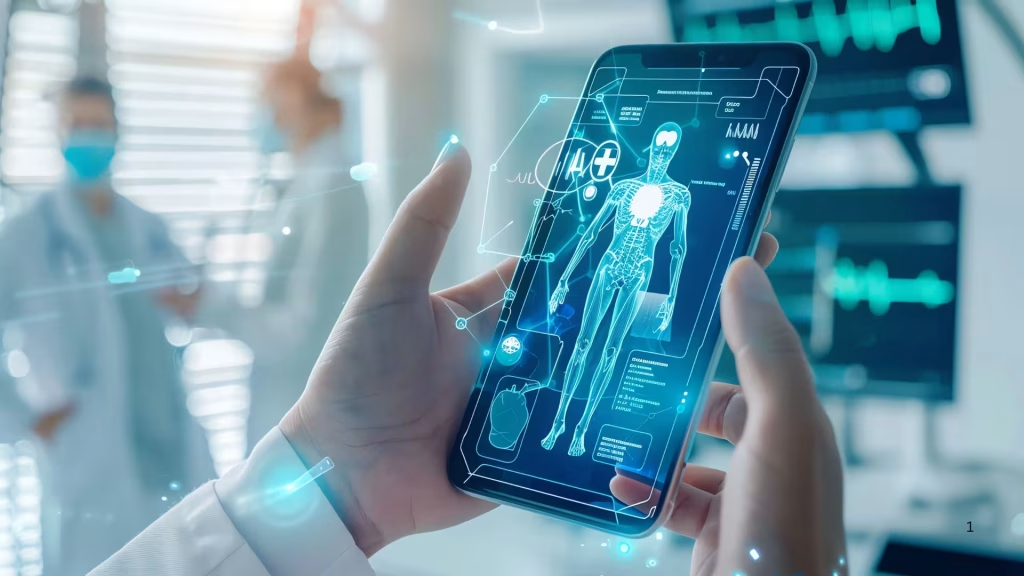
The digital health landscape is evolving rapidly, and not all health apps are created equal. Two major categories dominate today’s market: AI health assistants and traditional health apps. While both aim to improve user well-being, their approaches, capabilities, and impacts are strikingly different.
Understanding the Basics
AI Health Assistants use artificial intelligence technologies like machine learning, natural language processing, and predictive analytics to provide personalized health guidance. They can assess symptoms, interpret user data, predict potential health risks, and offer recommendations—acting almost like a virtual healthcare companion.
Traditional Health Apps, in contrast, rely mostly on fixed features. These include trackers for steps, calories, or sleep; medication reminders; appointment schedulers; or basic educational content. They are rule-based and generally require manual input from the user.
Key Differences
1. Intelligence and Adaptability
- AI Health Assistants learn from user data over time, enabling tailored guidance, proactive alerts, and predictive insights.
- Traditional Health Apps operate on preset rules and cannot adapt intelligently without manual updates.
2. Personalization
- AI Health Assistants provide guidance customized to the individual’s health history, symptoms, and lifestyle.
- Traditional Health Apps offer broad, one-size-fits-all recommendations.
3. User Interaction
- AI Health Assistants engage users through chat or voice interfaces, creating a more conversational and interactive experience.
- Traditional Health Apps rely on menus, forms, and notifications, making interaction less natural.
4. Data Analysis
- AI Health Assistants process structured and unstructured data to deliver insights and risk predictions.
- Traditional Health Apps mainly handle structured data and offer limited actionable insights.
5. Proactive vs. Reactive Support
- AI Health Assistants can proactively detect potential health issues, provide preventive recommendations, and triage problems.
- Traditional Health Apps respond only when users input data or open the app.
6. Efficiency and Automation
- AI Health Assistants automate tasks like follow-up reminders, appointment scheduling, and patient communication.
- Traditional Health Apps focus mainly on tracking and self-monitoring, with minimal automation.
Why AI Health Assistants Are Gaining Popularity
- 24/7 Accessibility: Always available for guidance, even outside clinic hours.
- Early Detection: Identify potential risks early for preventive action.
- Scalability: Can serve multiple users simultaneously, easing the burden on healthcare systems.
- Improved Engagement: Personalized, interactive experiences encourage consistent use.
Challenges to Consider
- Data Privacy and Security: Sensitive health data requires robust protection.
- Algorithm Transparency: Users need to understand how AI provides recommendations.
- Bias and Accuracy: AI systems require diverse, high-quality data for reliable results.
- Integration: Seamless connectivity with existing health systems can be complex.
Choosing the Right Solution
If you’re looking to build or adopt a health solution, consider:
- Purpose: Symptom tracking, chronic care, mental health, or administrative support?
- Personalization Needs: Generic tracking vs tailored recommendations.
- Regulatory Compliance: HIPAA, GDPR, and other requirements.
- Integration with Existing Systems: EHRs, wearables, and workflow compatibility.
- User Engagement: Conversational AI can boost interaction, but simplicity may also be key.
For businesses or healthcare providers interested in AI-driven solutions, Jurysoft offers a comprehensive AI Health Assistant Development Service.
Conclusion
AI health assistants represent the next generation of digital health tools. Unlike traditional apps, they are proactive, intelligent, and personalized, offering guidance, predictive insights, and automation that can transform how users manage their health. While traditional apps remain valuable for basic tracking, AI assistants are redefining the digital healthcare experience.
By combining AI intelligence with user-friendly interfaces, health technology is moving closer to a future where proactive, personalized care is accessible to everyone—anytime, anywhere.